Speed on the Runway: How NASCAR Transformed Tulum’s Tarmac into a High-Octane Proving Ground
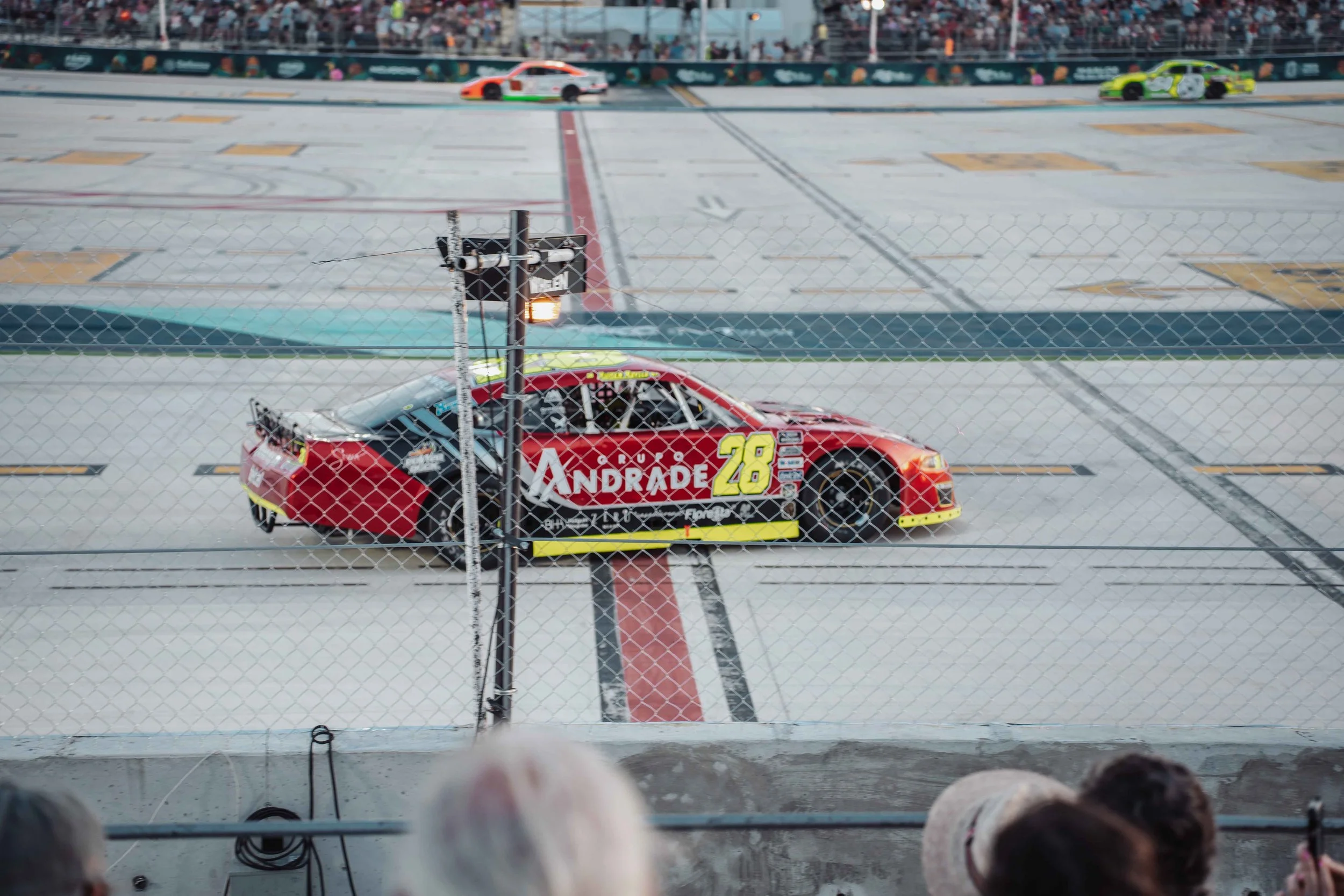
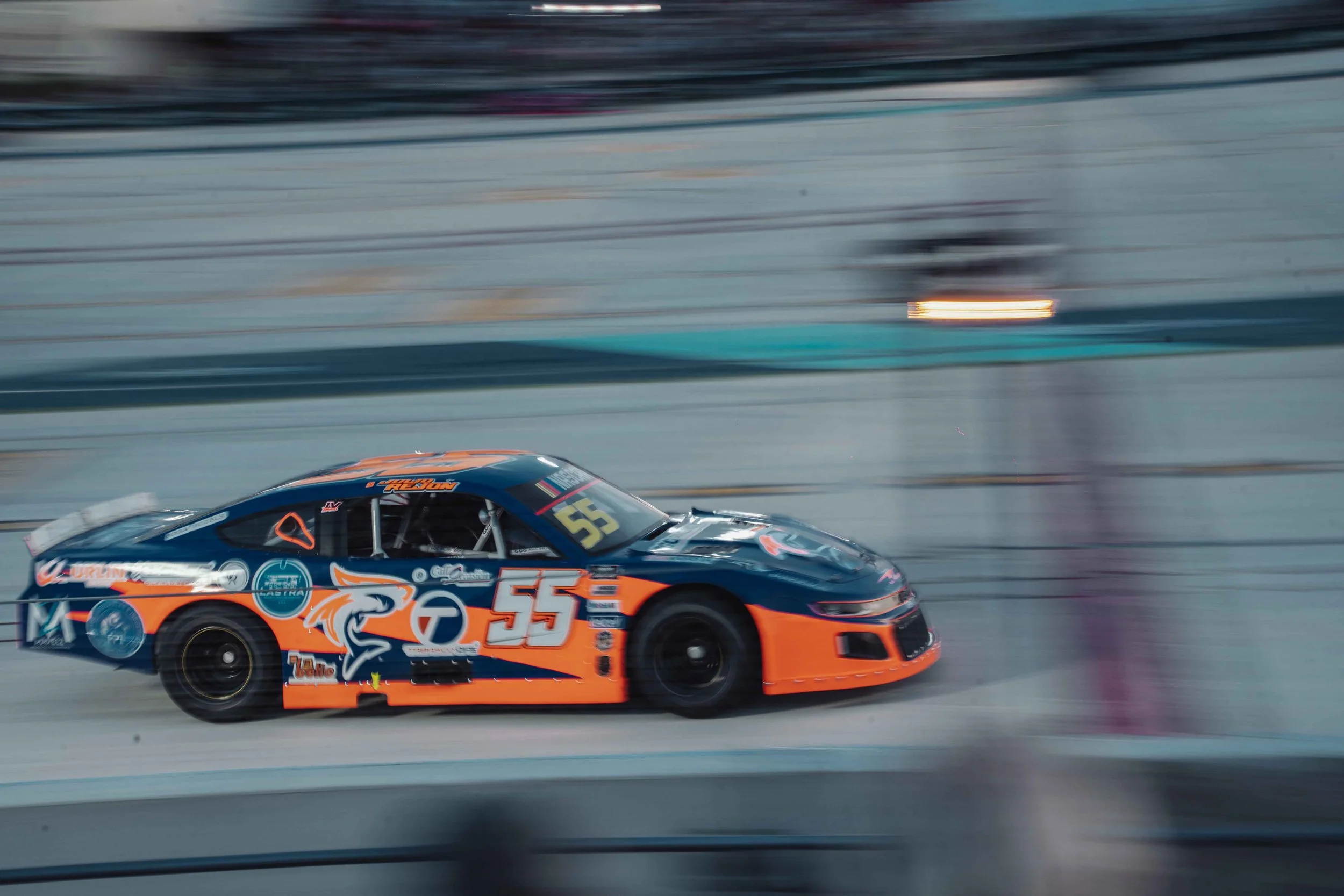
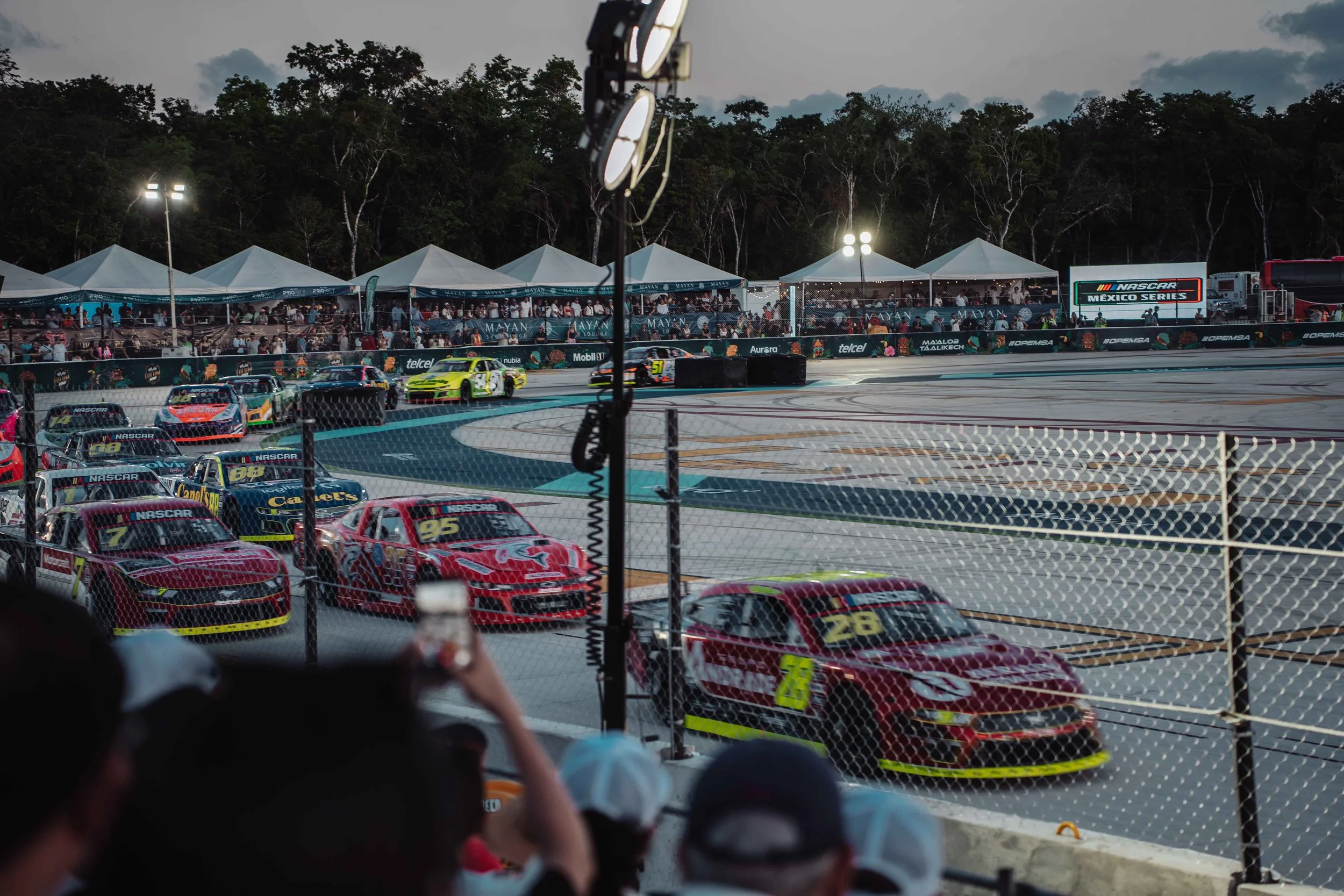
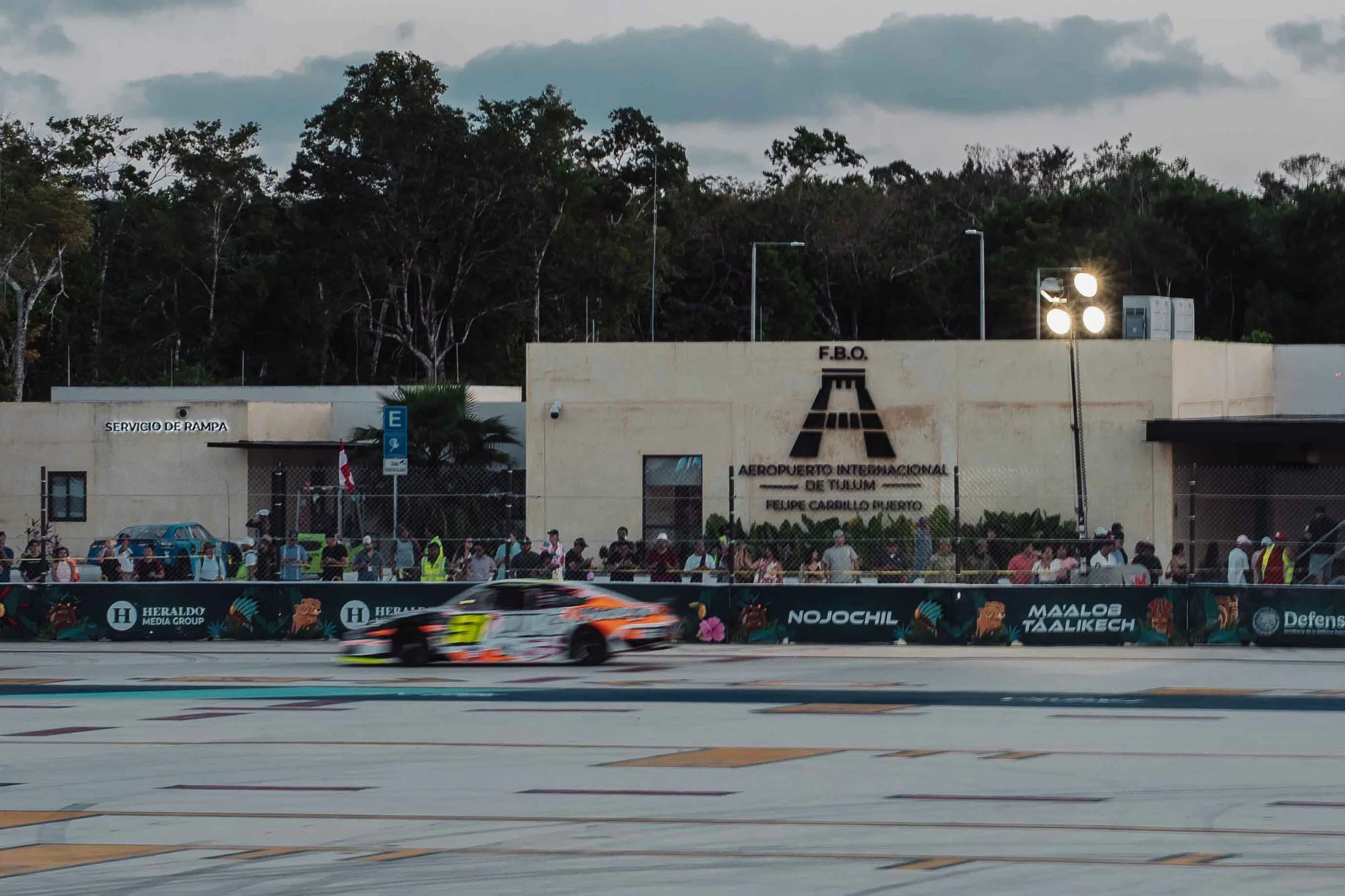
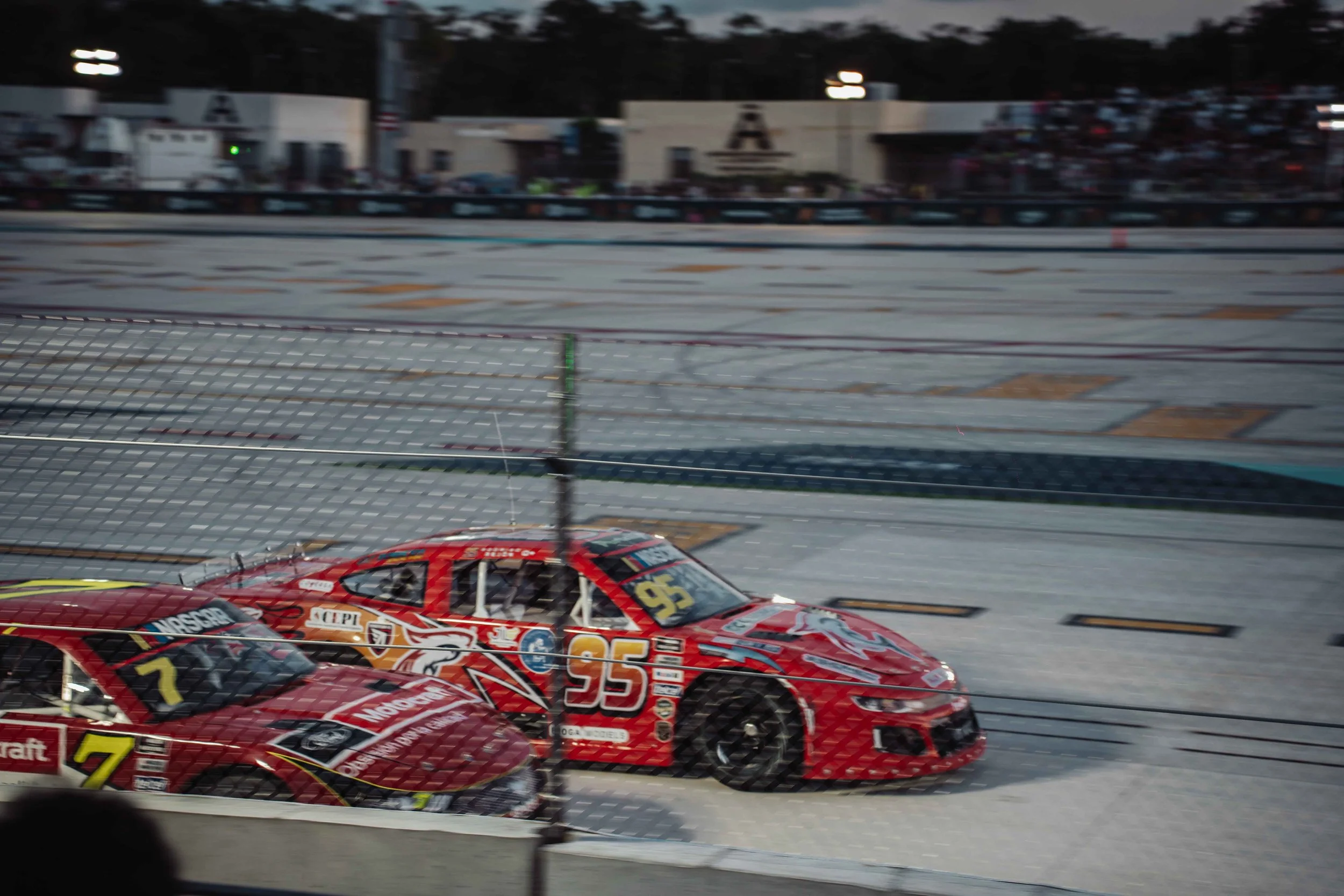
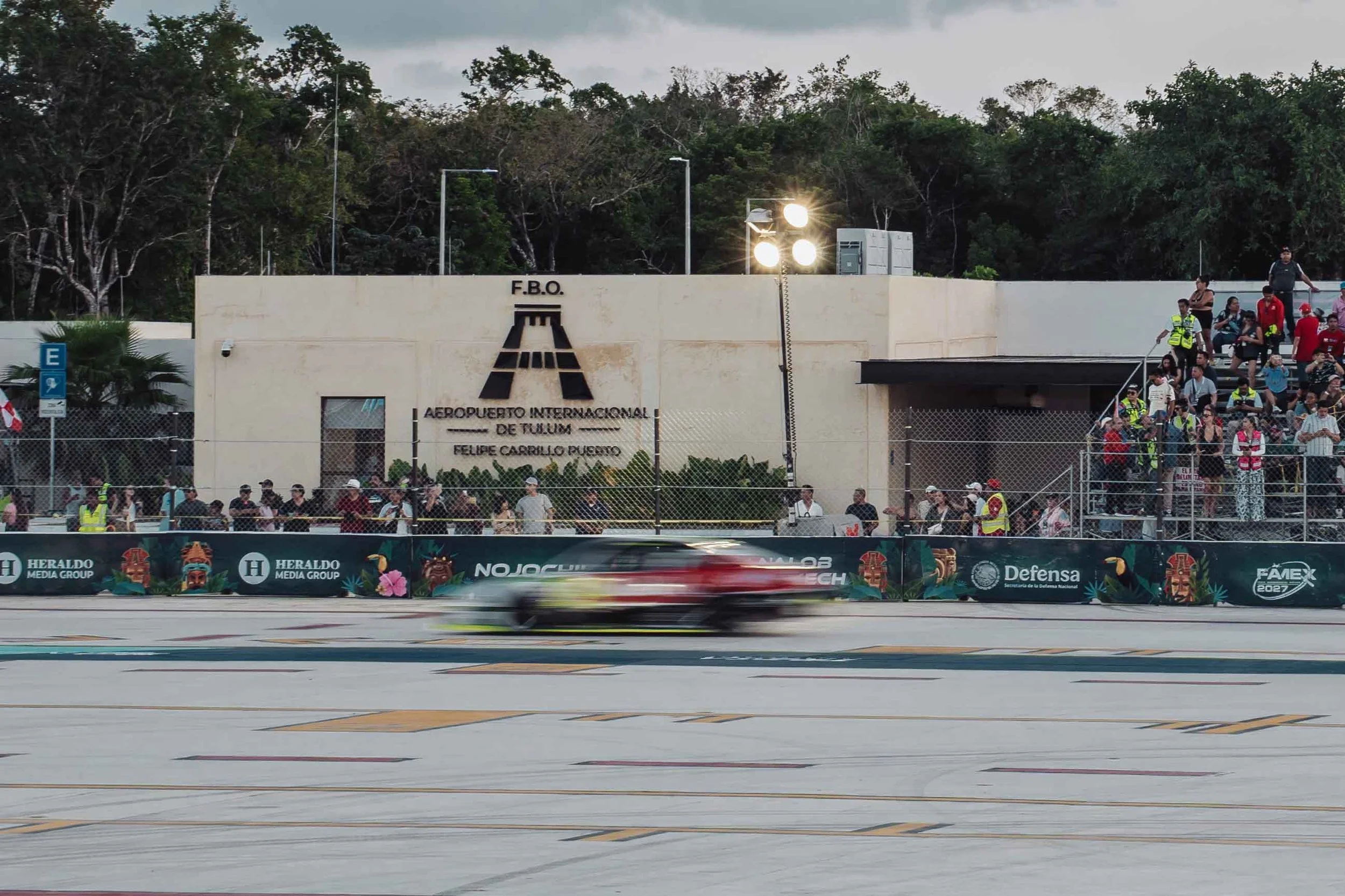
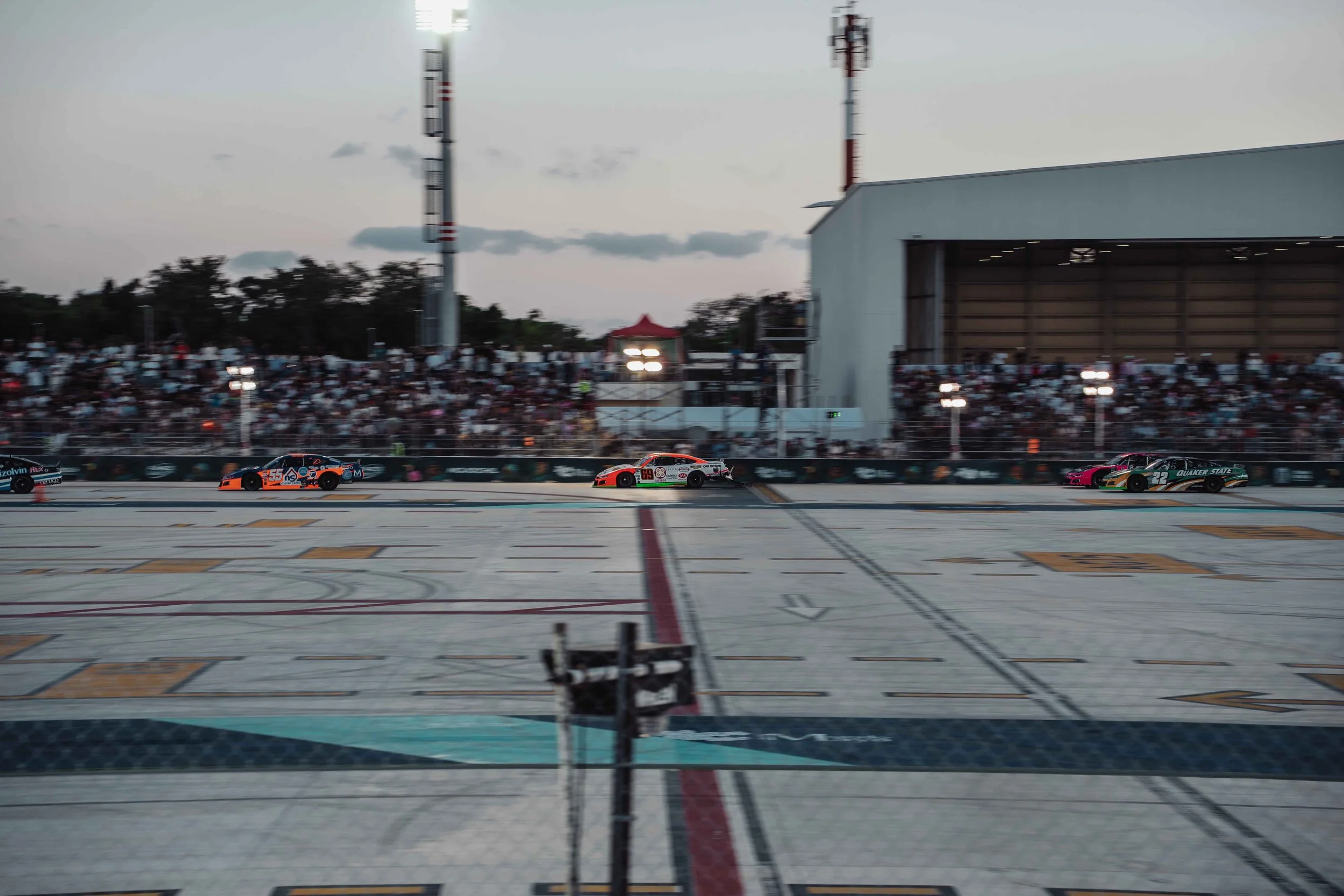
The shimmer rising off the tarmac at the Felipe Carrillo Puerto International Airport usually signals the arrival of a sleek private jet or a commercial flight full of sun-seeking travelers. But in April 2026, the heat haze was thick with the scent of high-octane fuel and the acrid bite of burning rubber. Beneath the swaying palms of the Mexican Caribbean, the serene rhythm of Tulum was shattered by a mechanical roar that could be felt in the marrow of your bones.
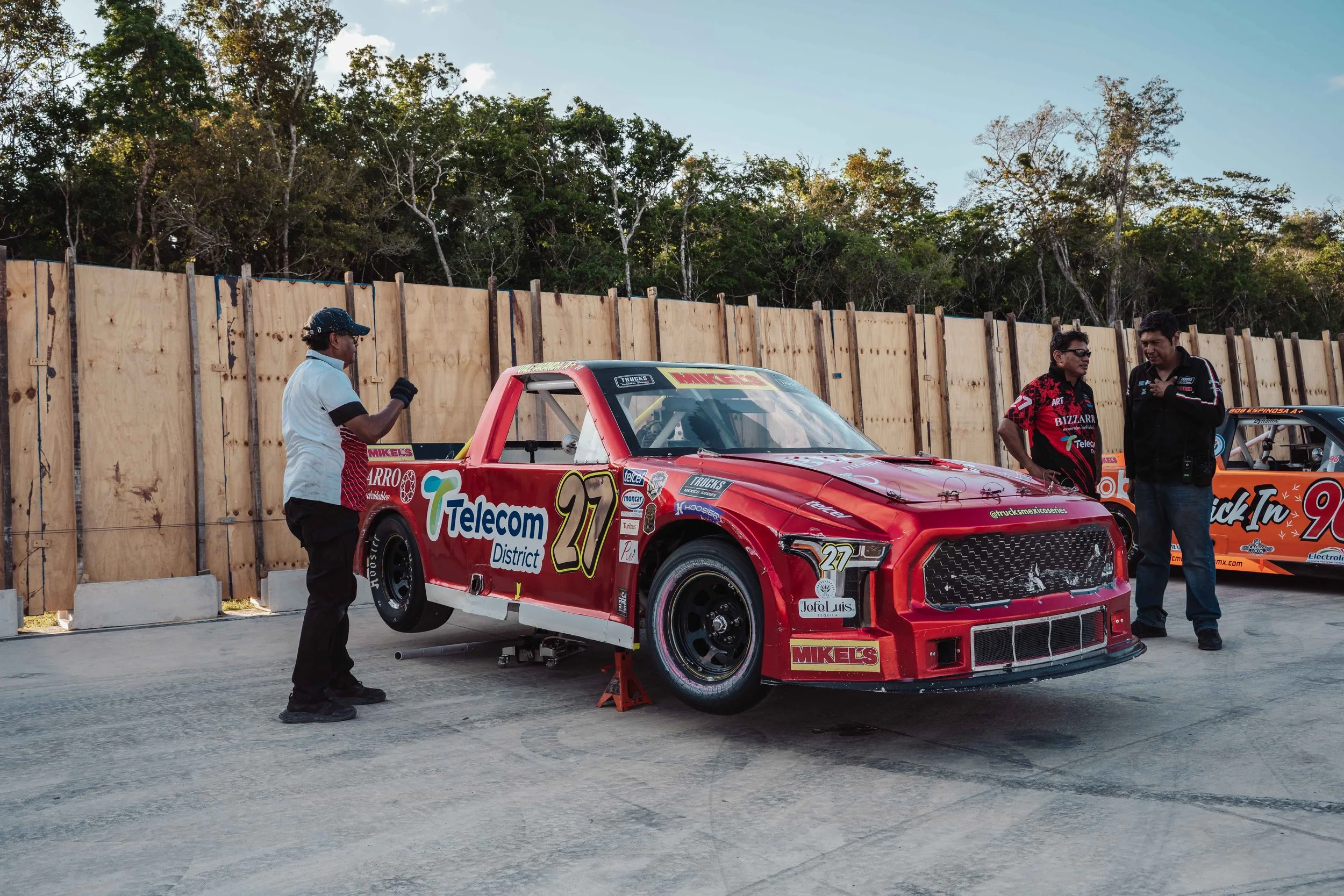
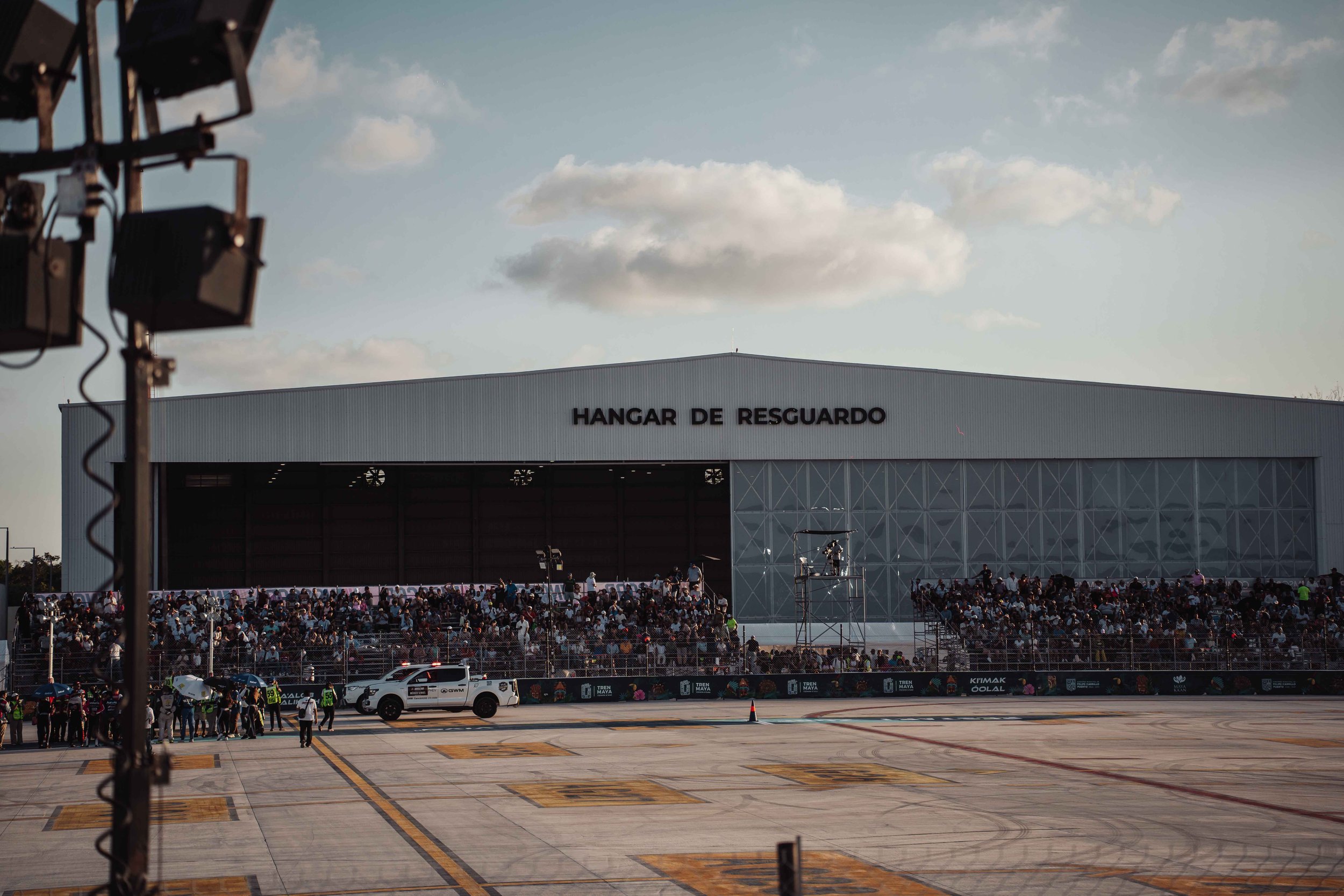
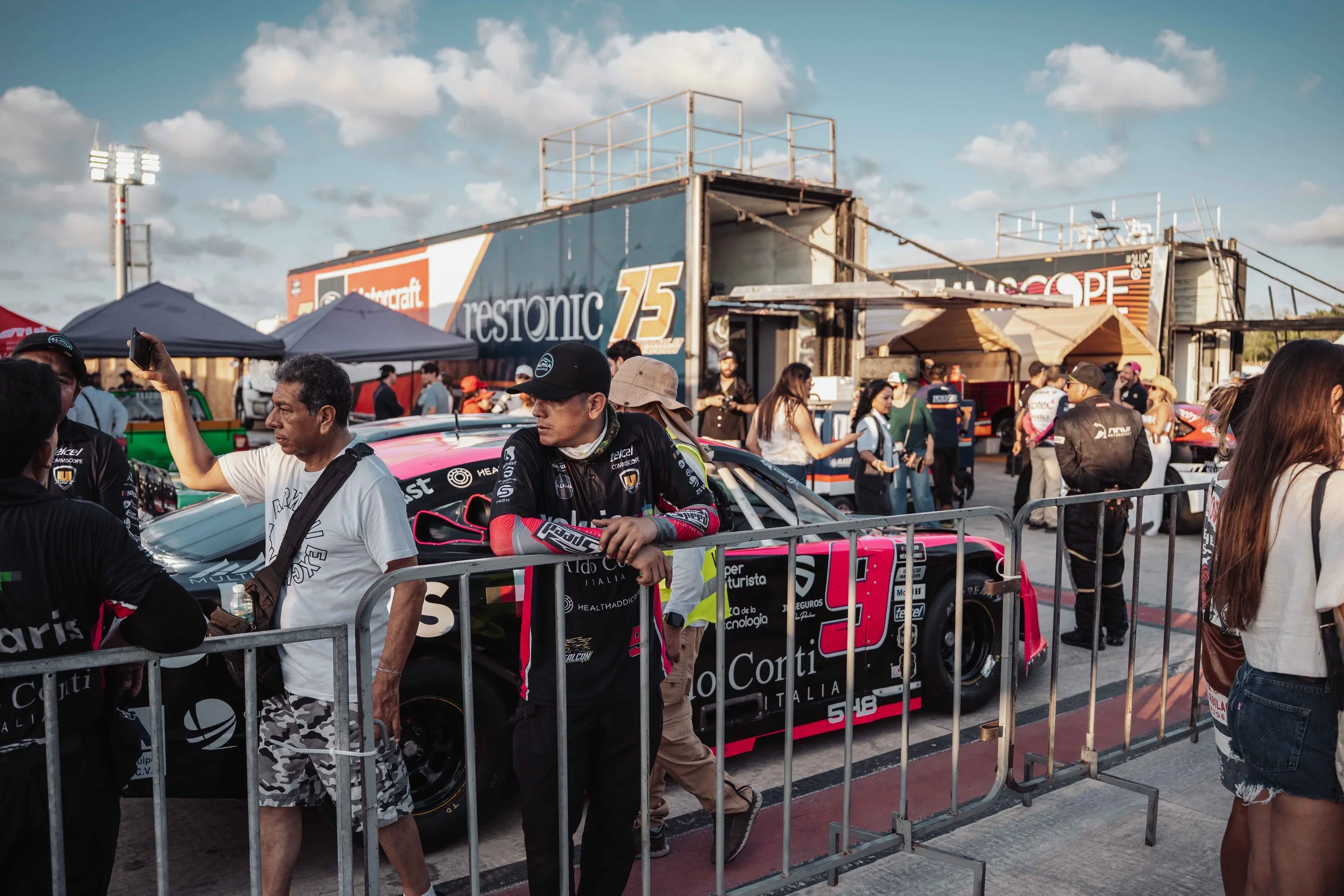
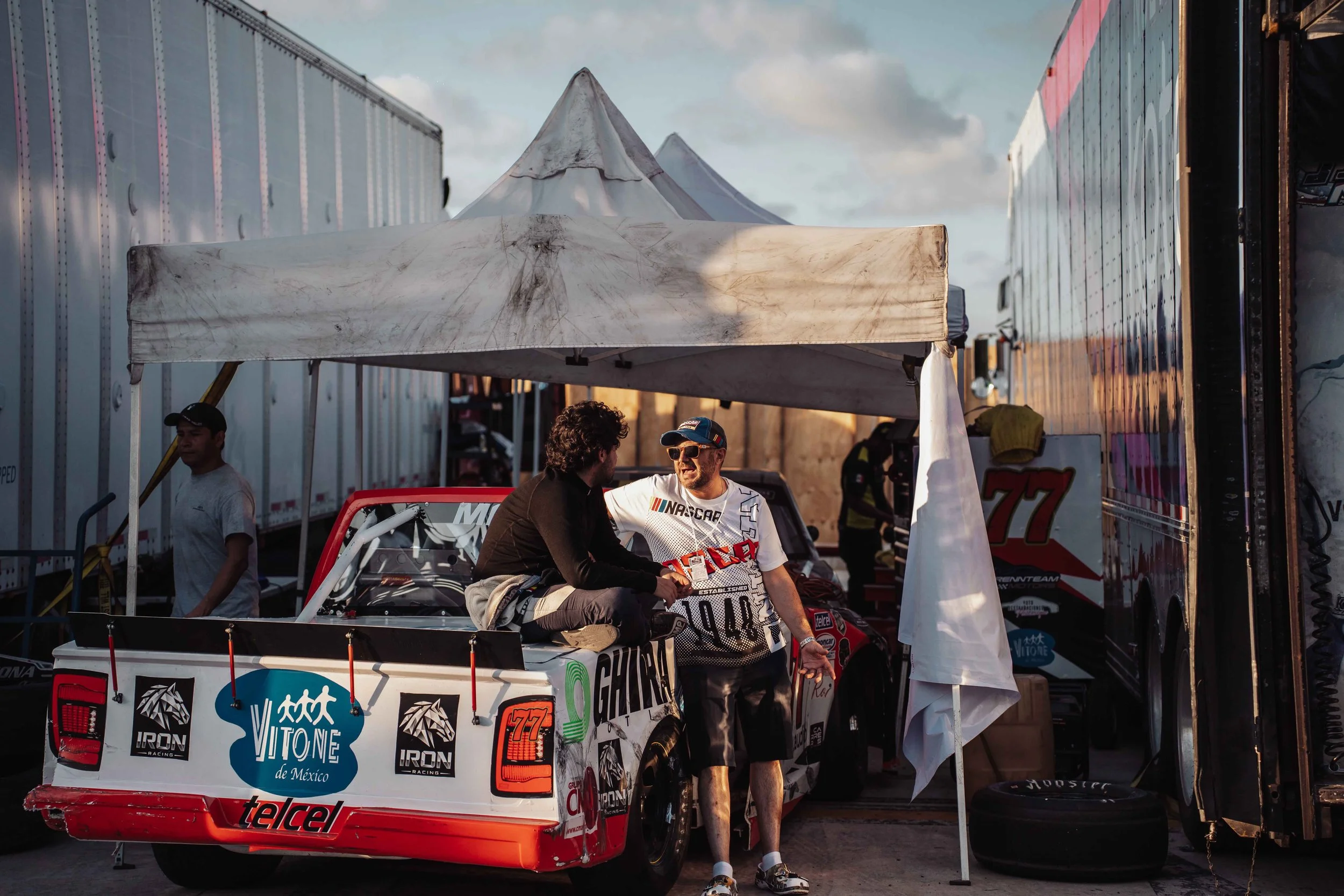
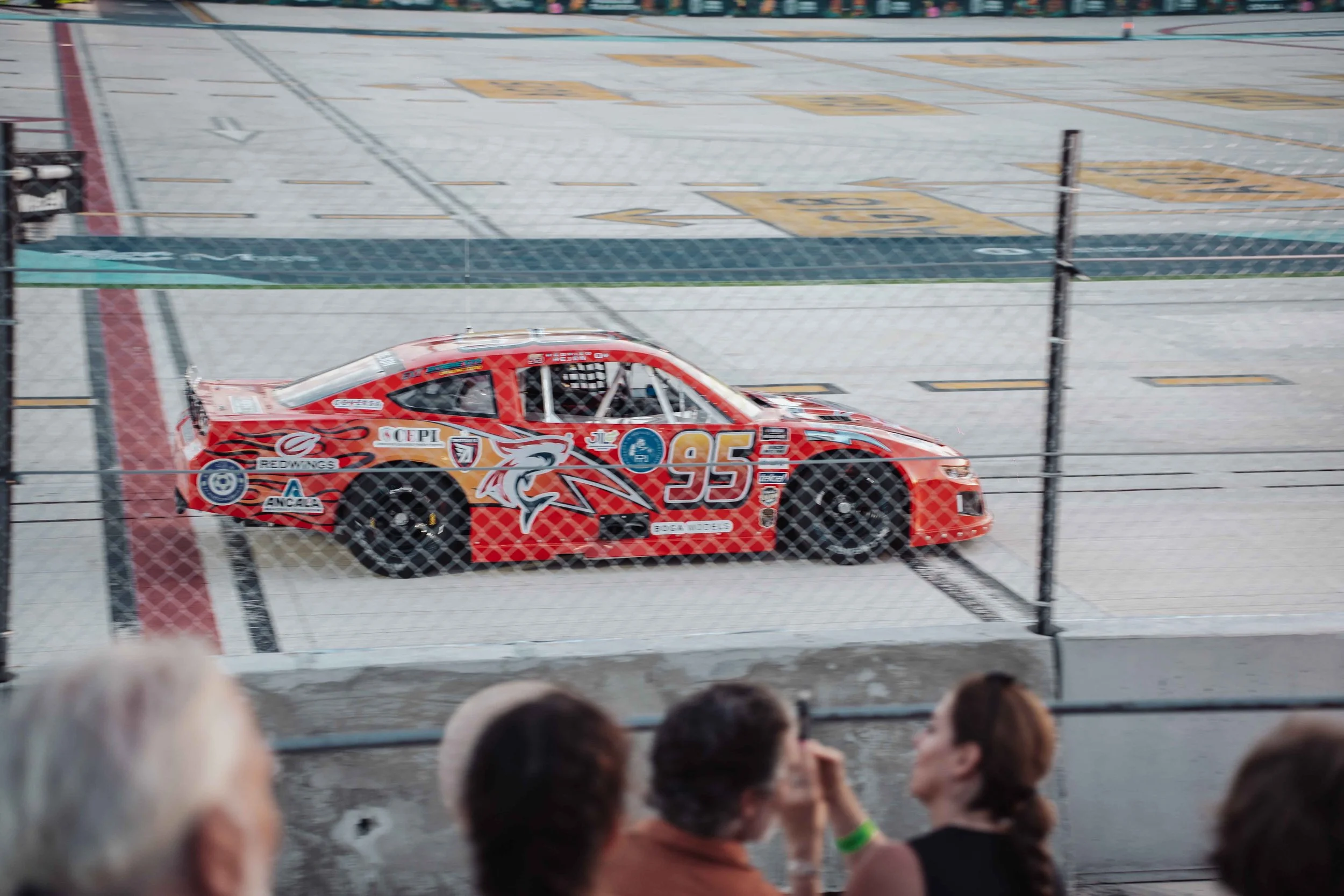
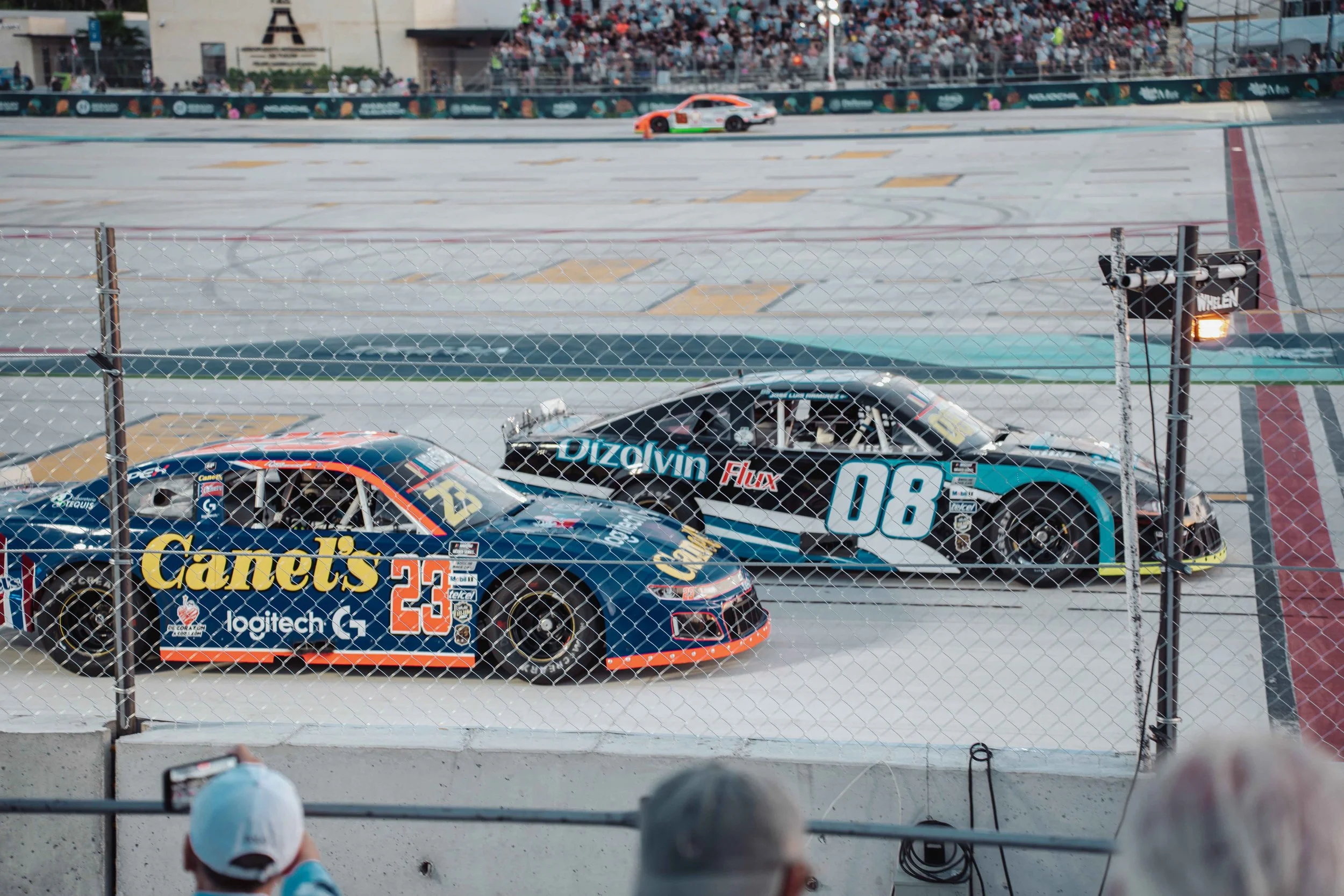
The NASCAR Tulum 100 wasn’t just a race; it was a breathless, high-stakes collision of sports and tourism. By carving a professional circuit out of a functional international gateway, organizers executed a daring experiment in "destination racing." For one weekend, the gateway to the Mayan world became a theater of speed where the grit of the pits met the glamour of the Caribbean.
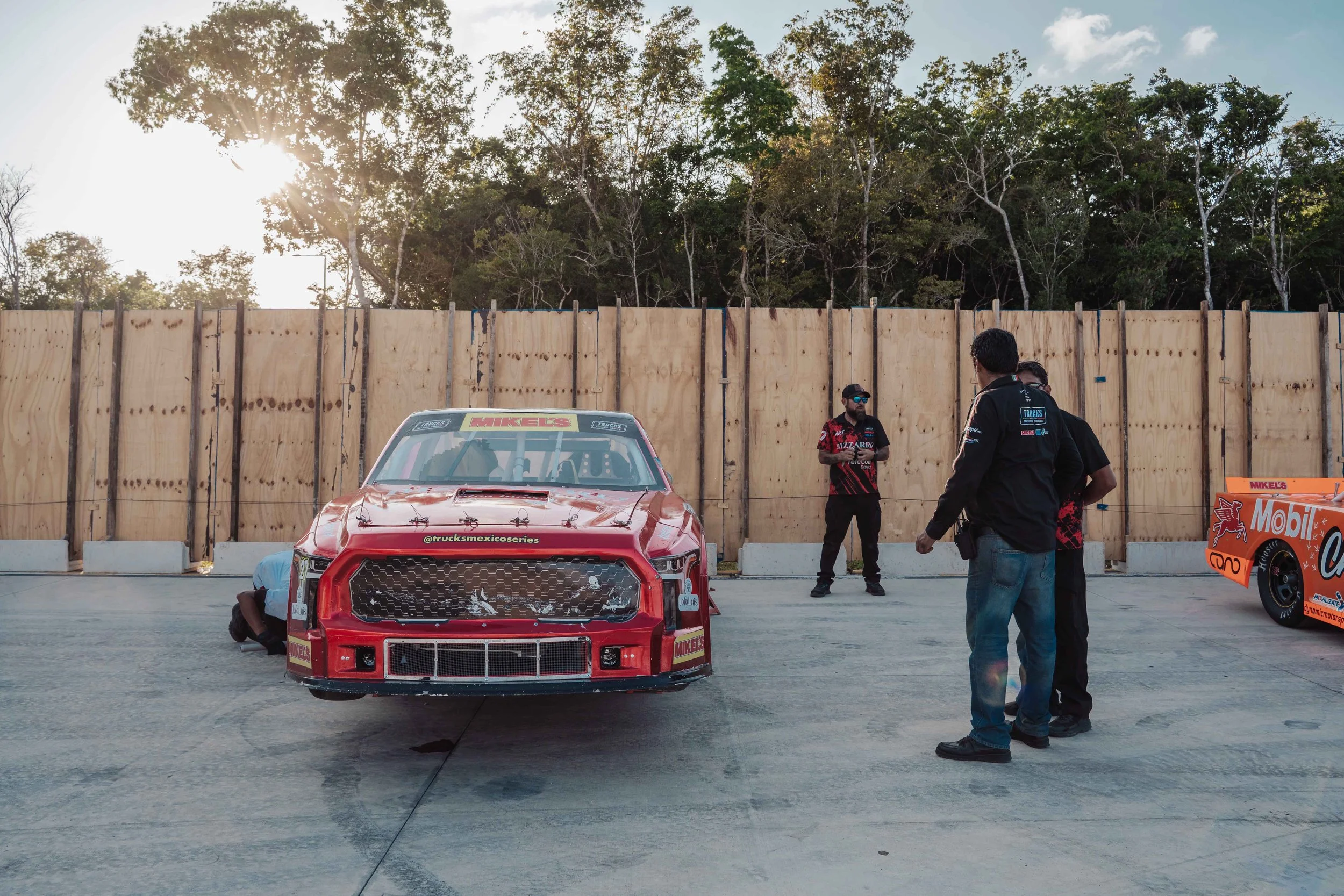

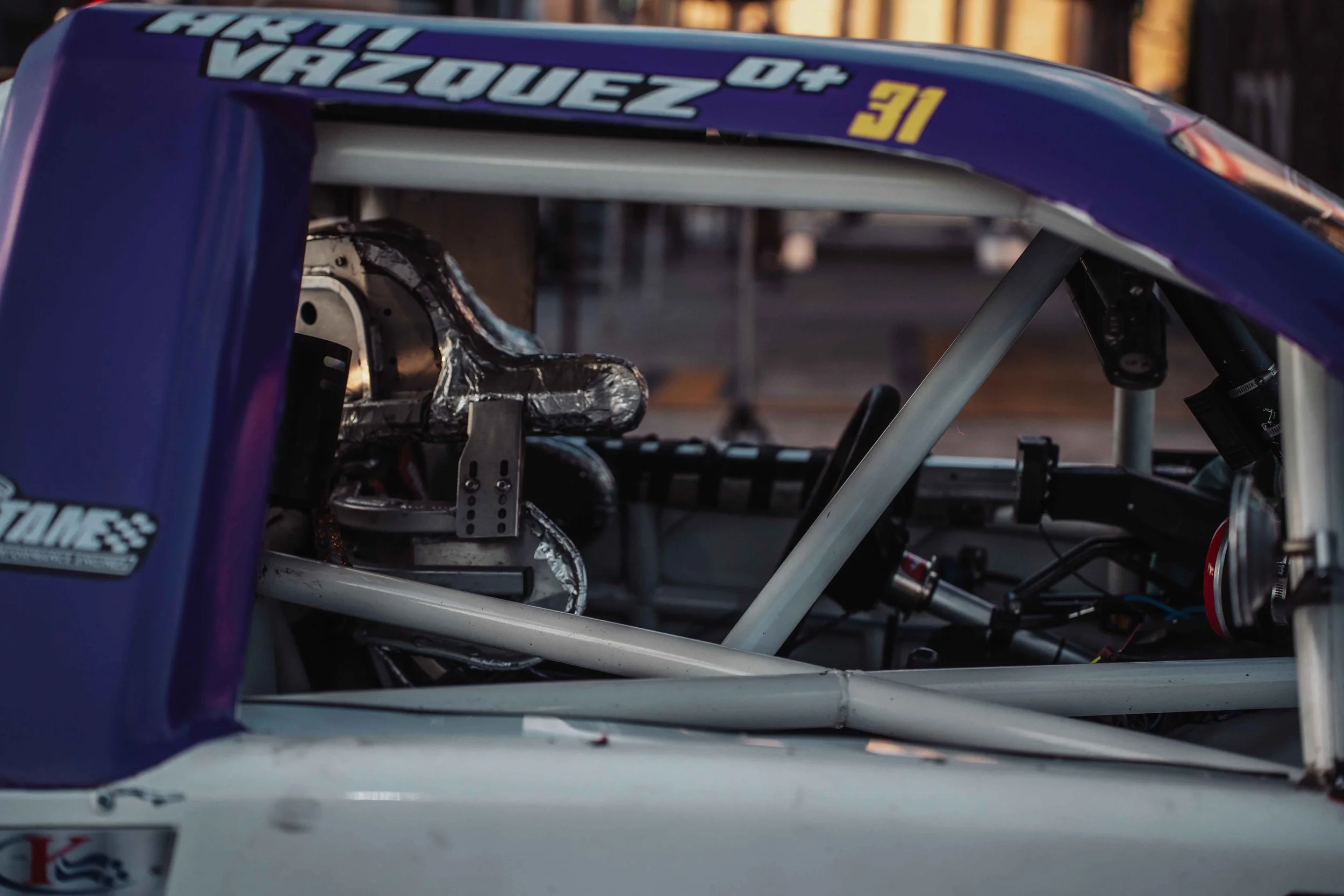
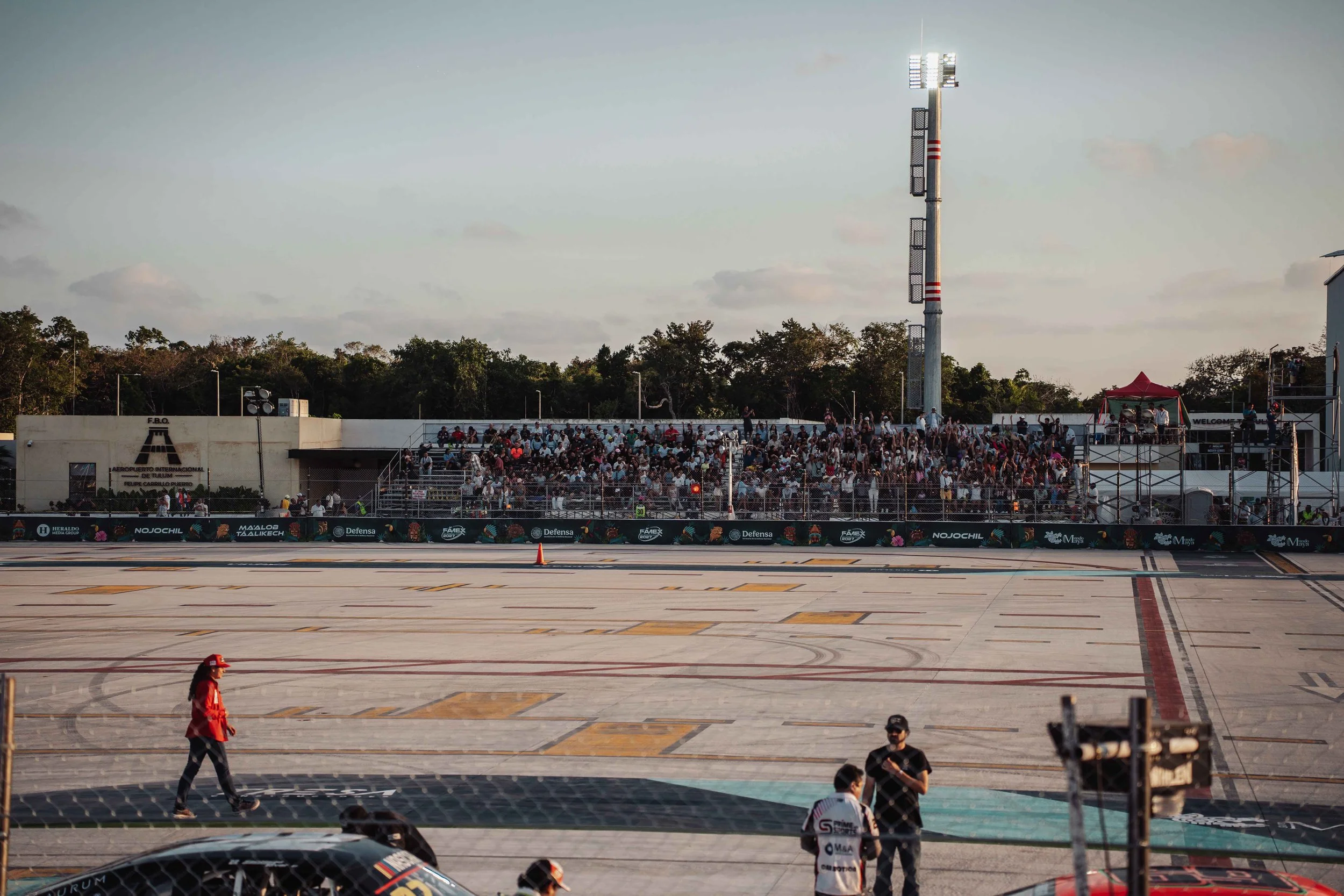
The 600-Meter Pressure Cooker: Engineering a "Runway" Oval
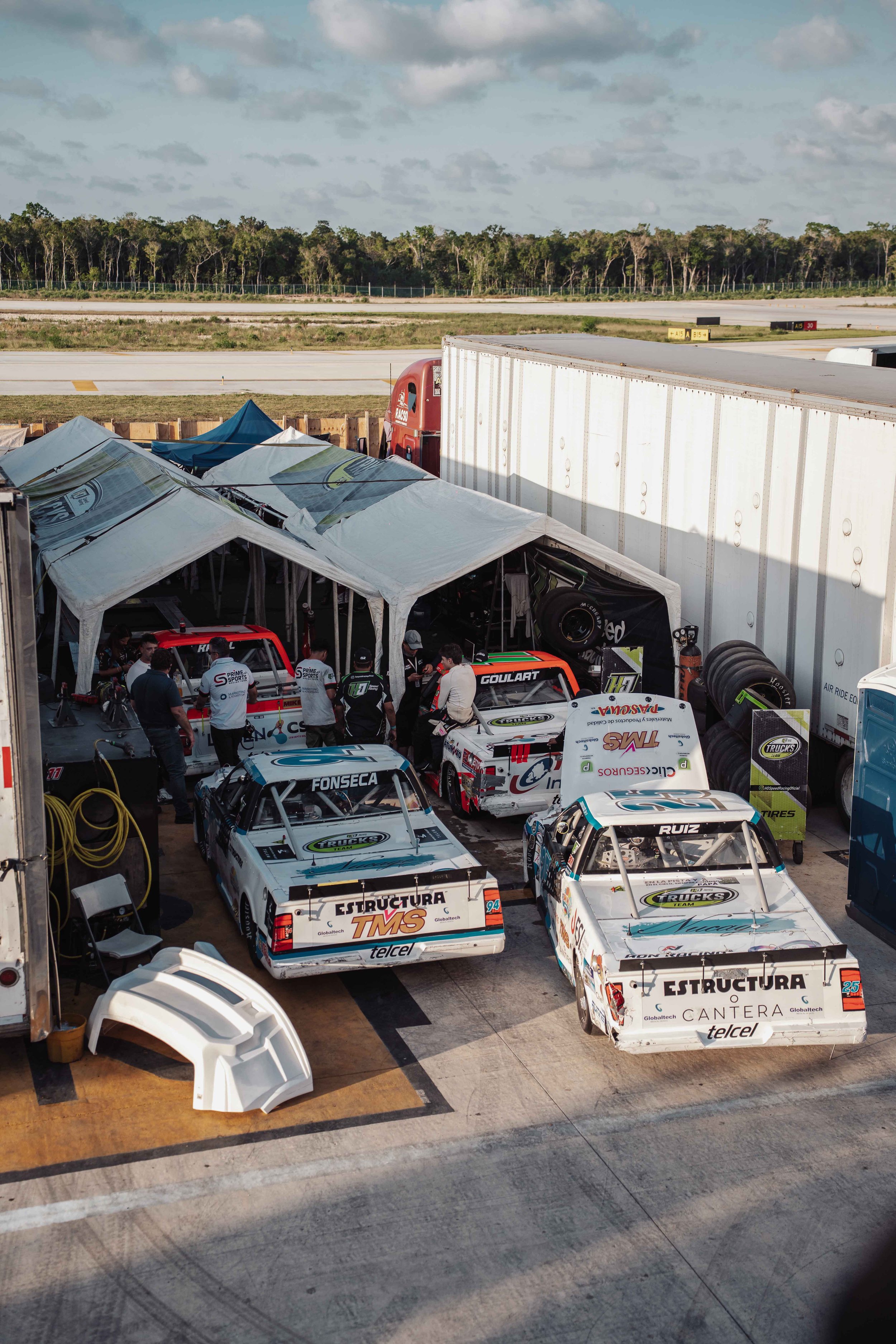
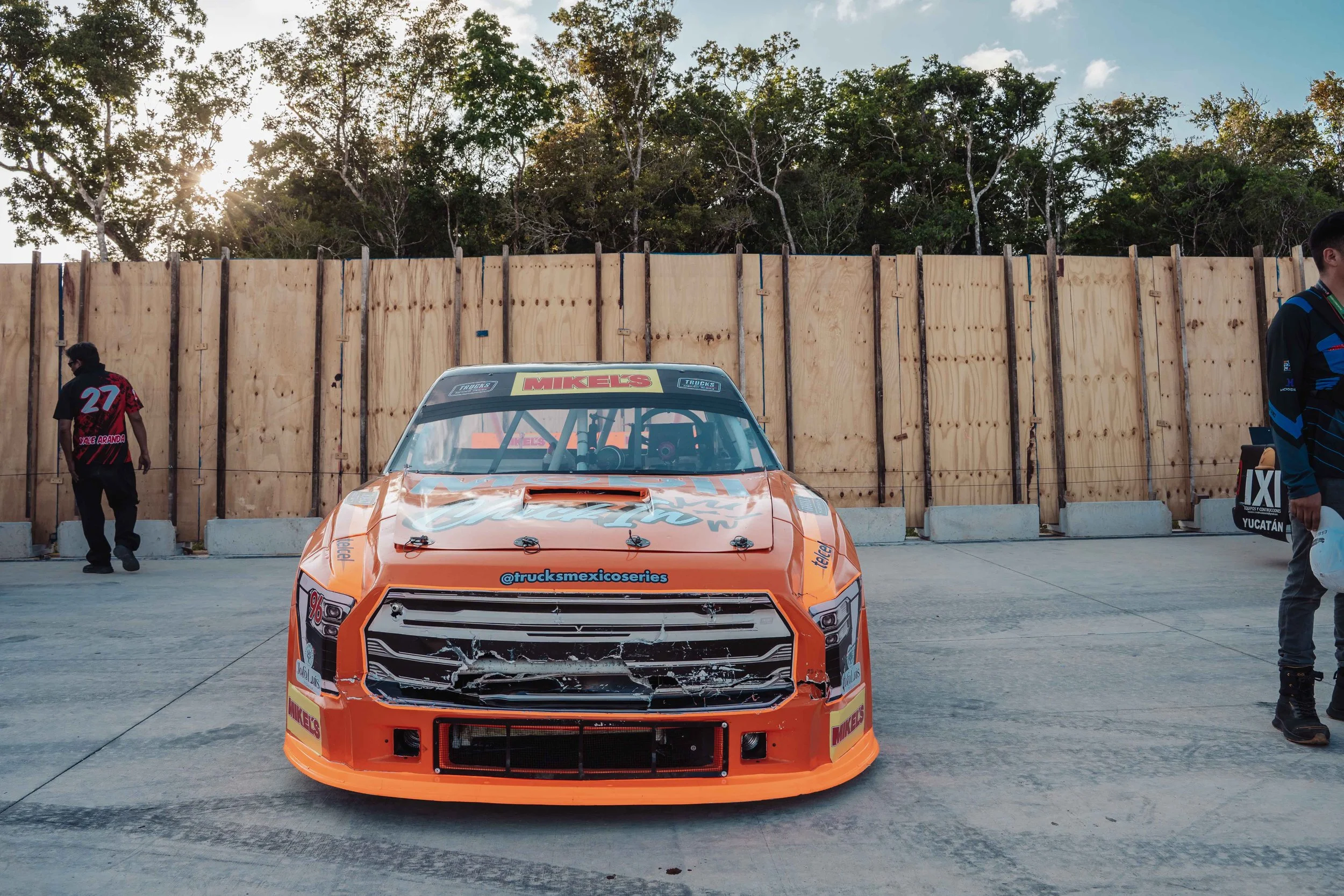
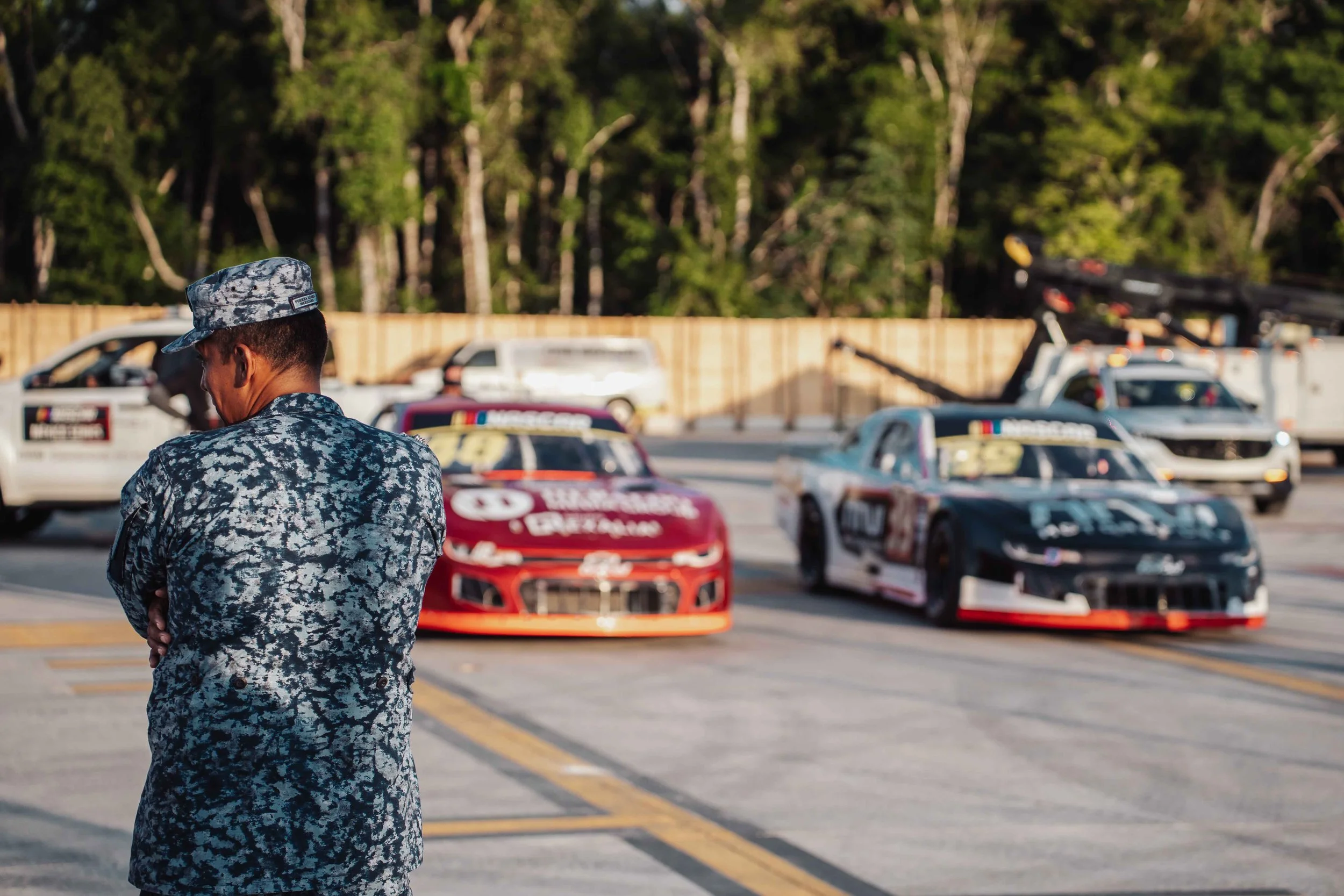
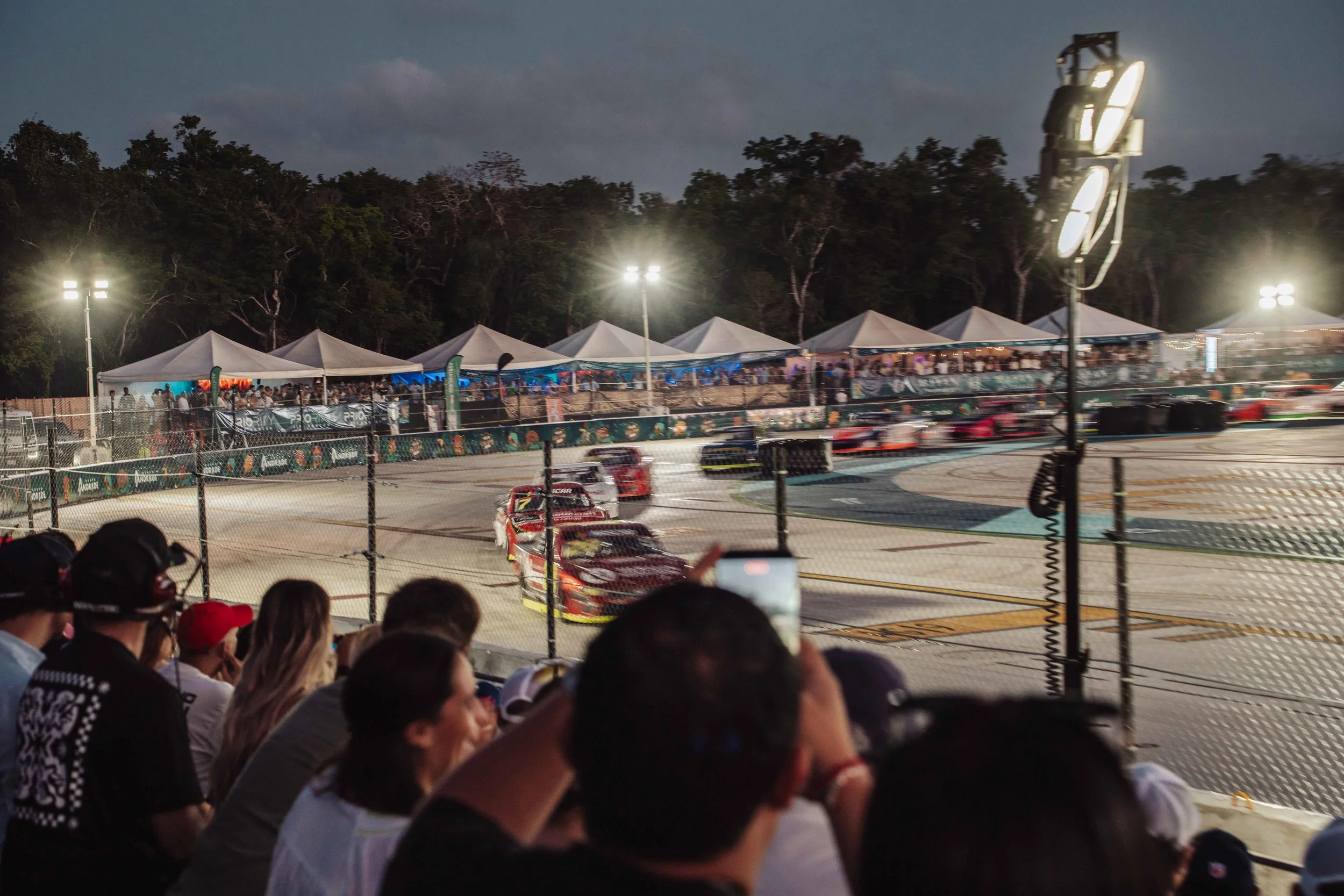
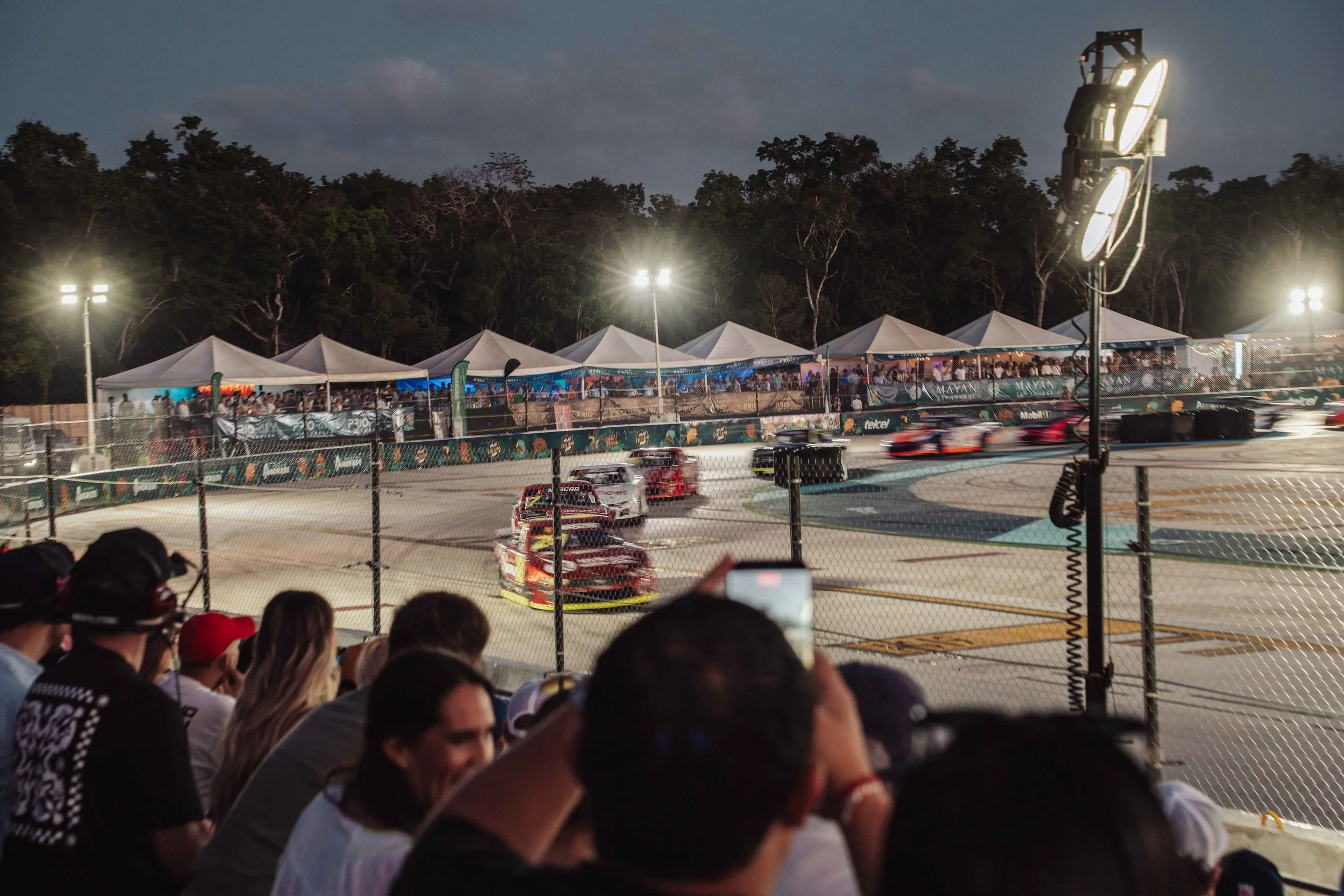
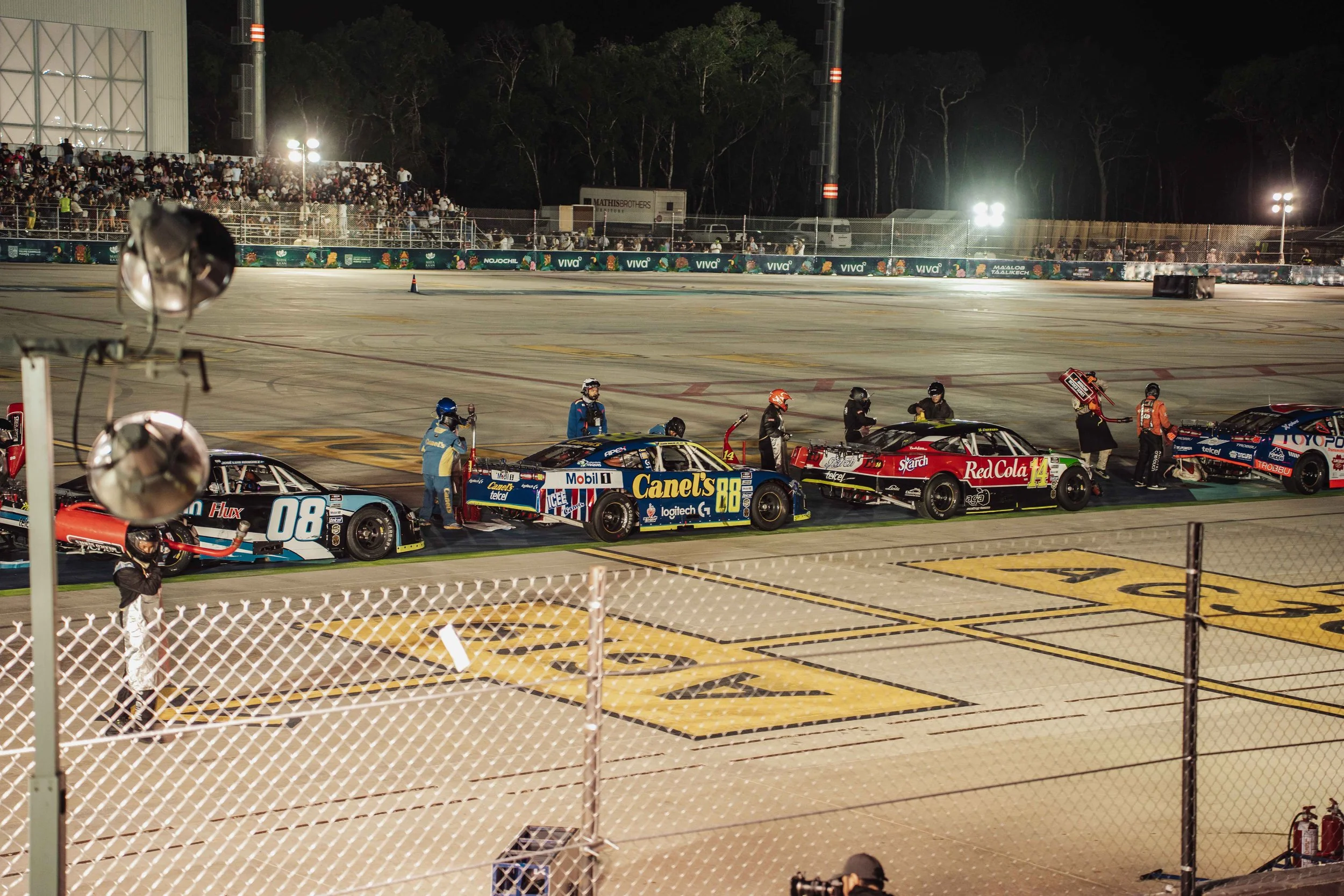
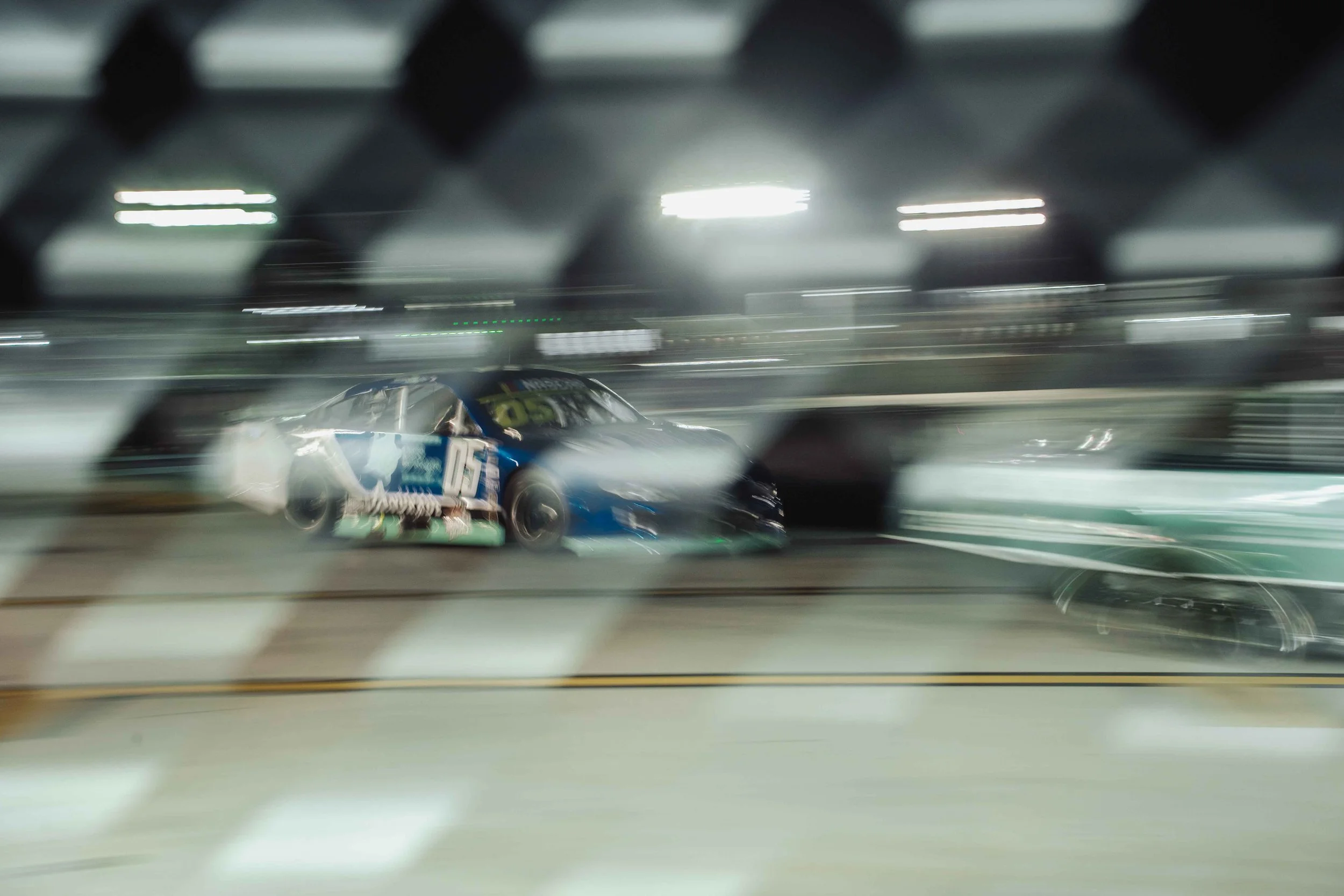
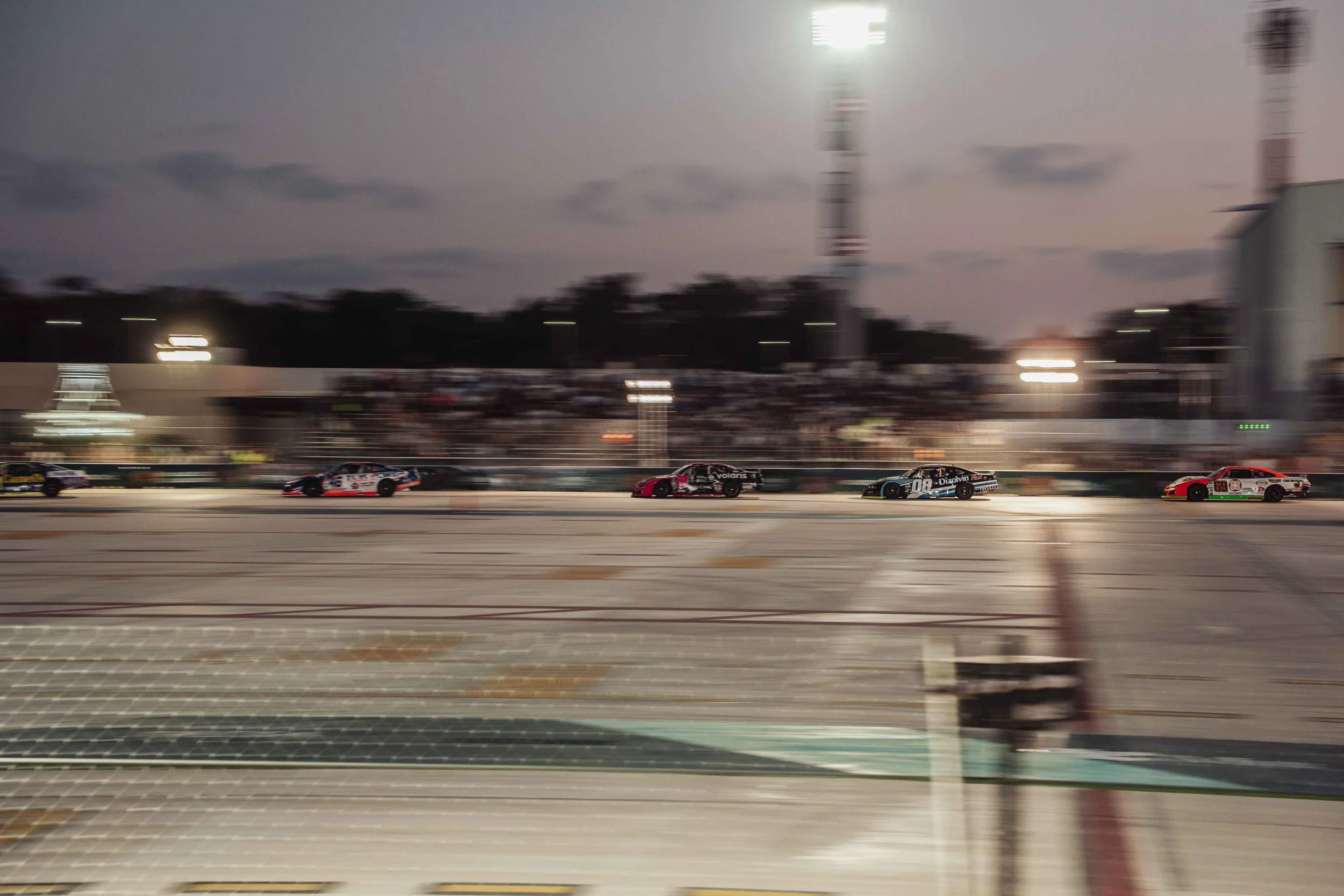
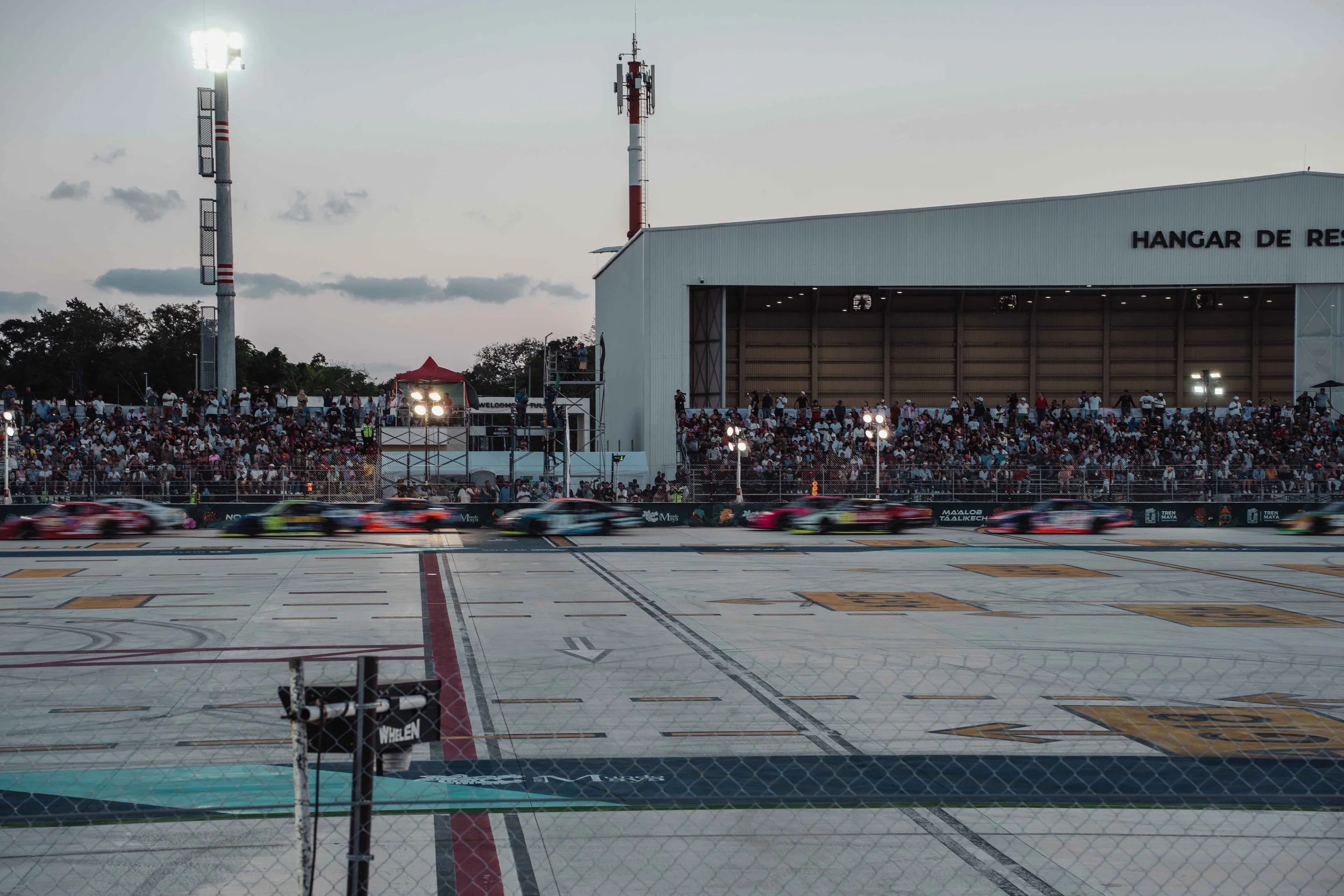
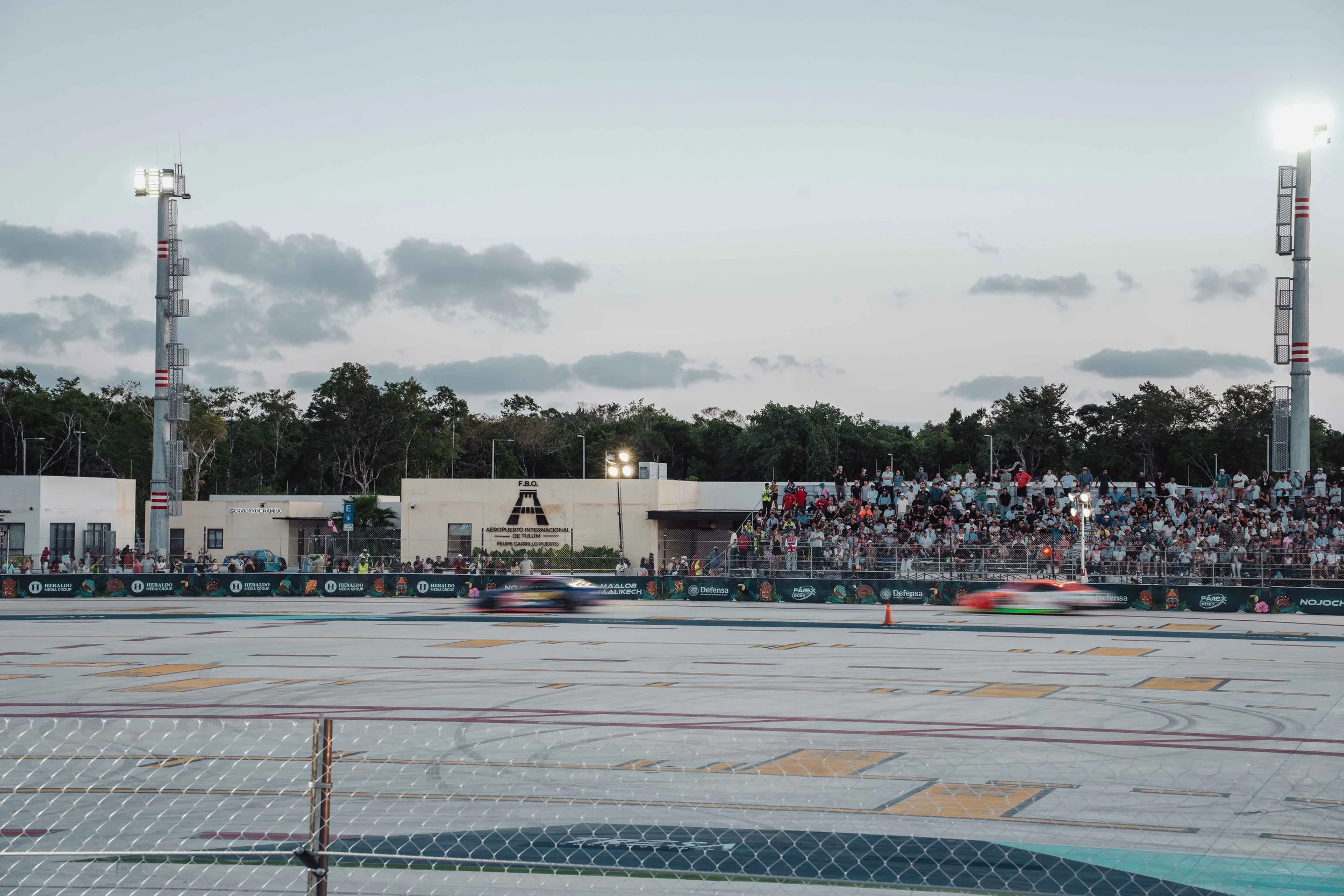
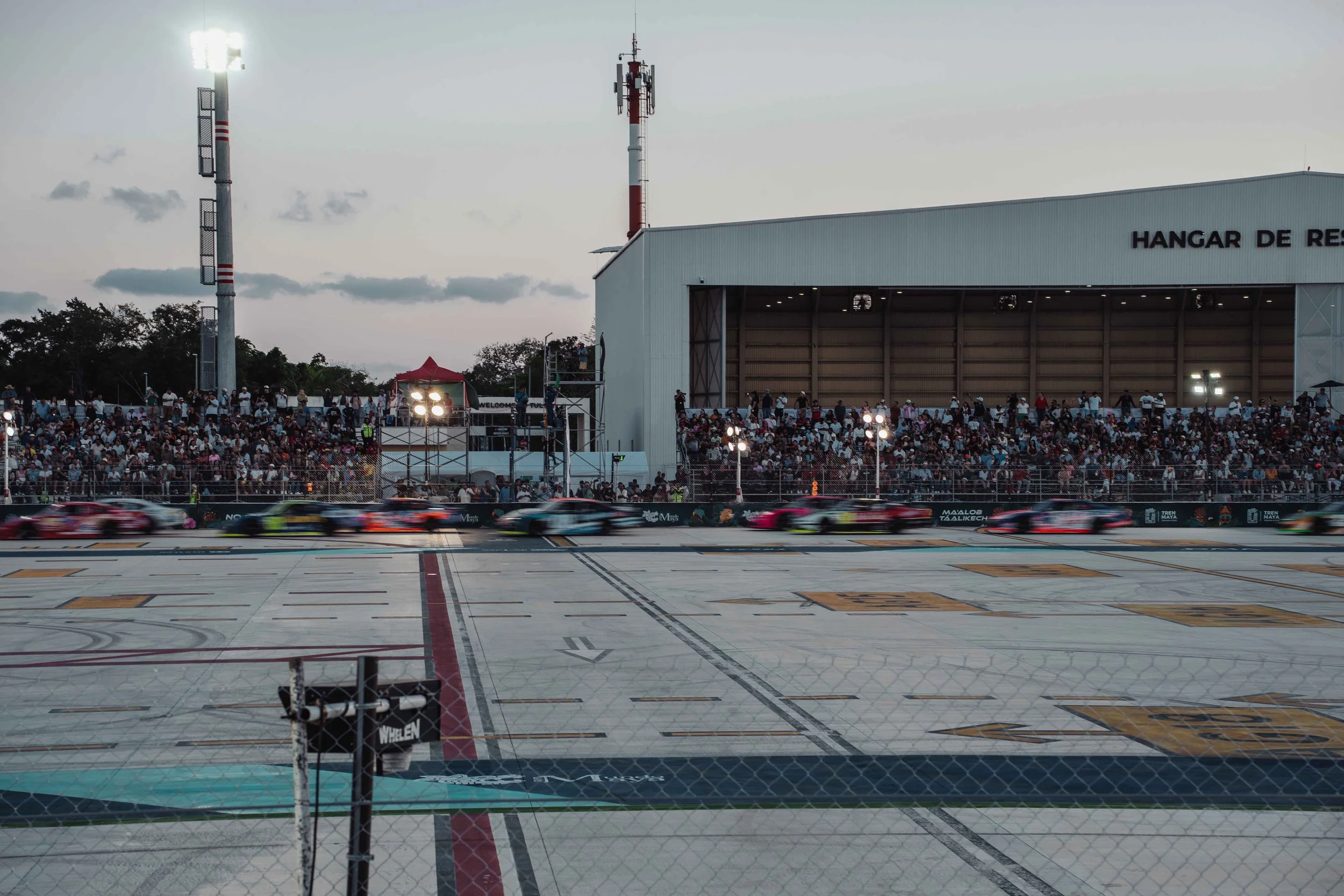
The technical audacity of the event centered on a temporary 600-meter oval circuit meticulously engineered within the airport's FBO (Fixed-Base Operator) area. This wasn't a sprawling superspeedway; it was a tight, unforgiving arena built under the most stringent security protocols. Converting active airport infrastructure into a racing venue required professional rigor, turning the apron where jets usually taxi into a battleground for traction.
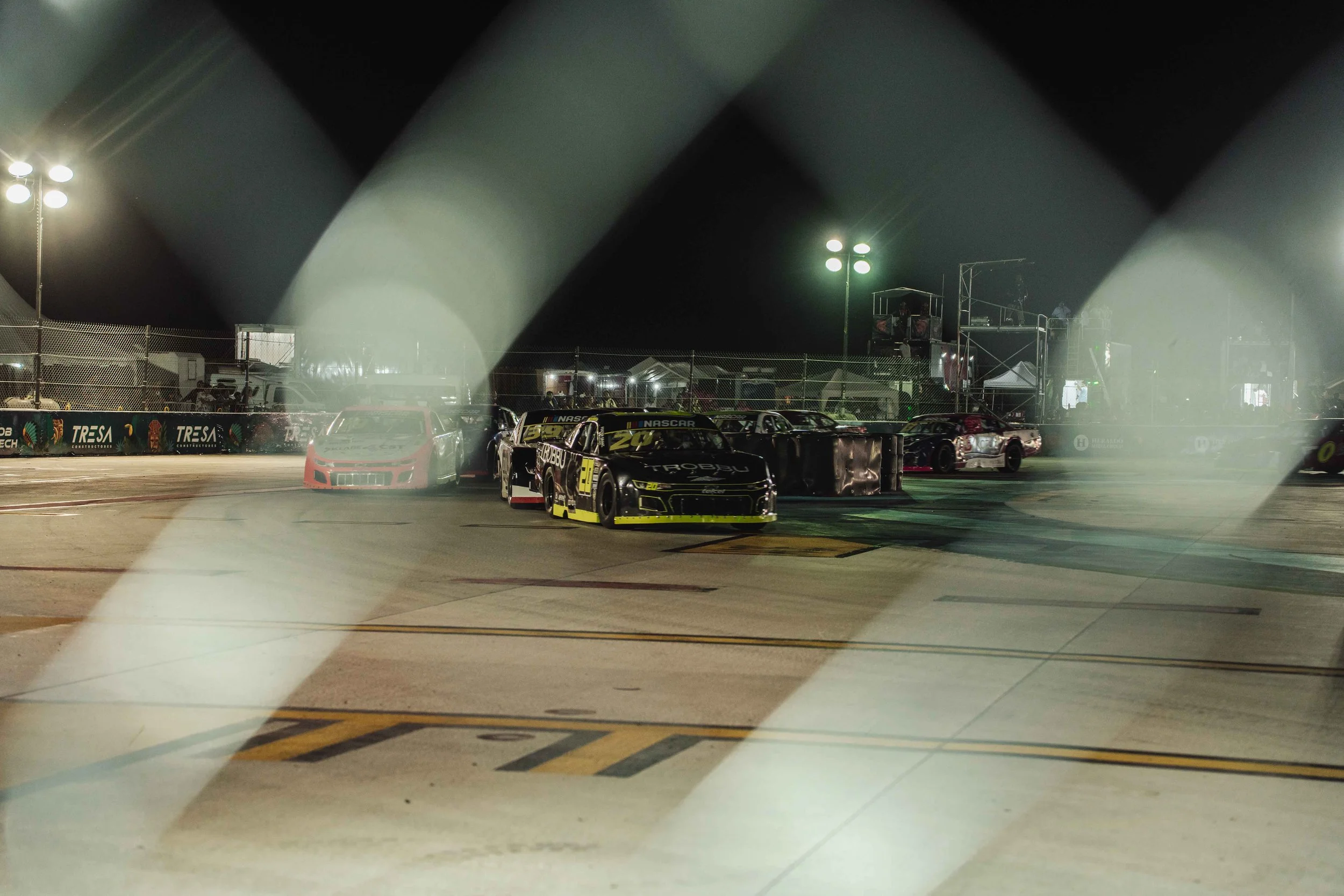
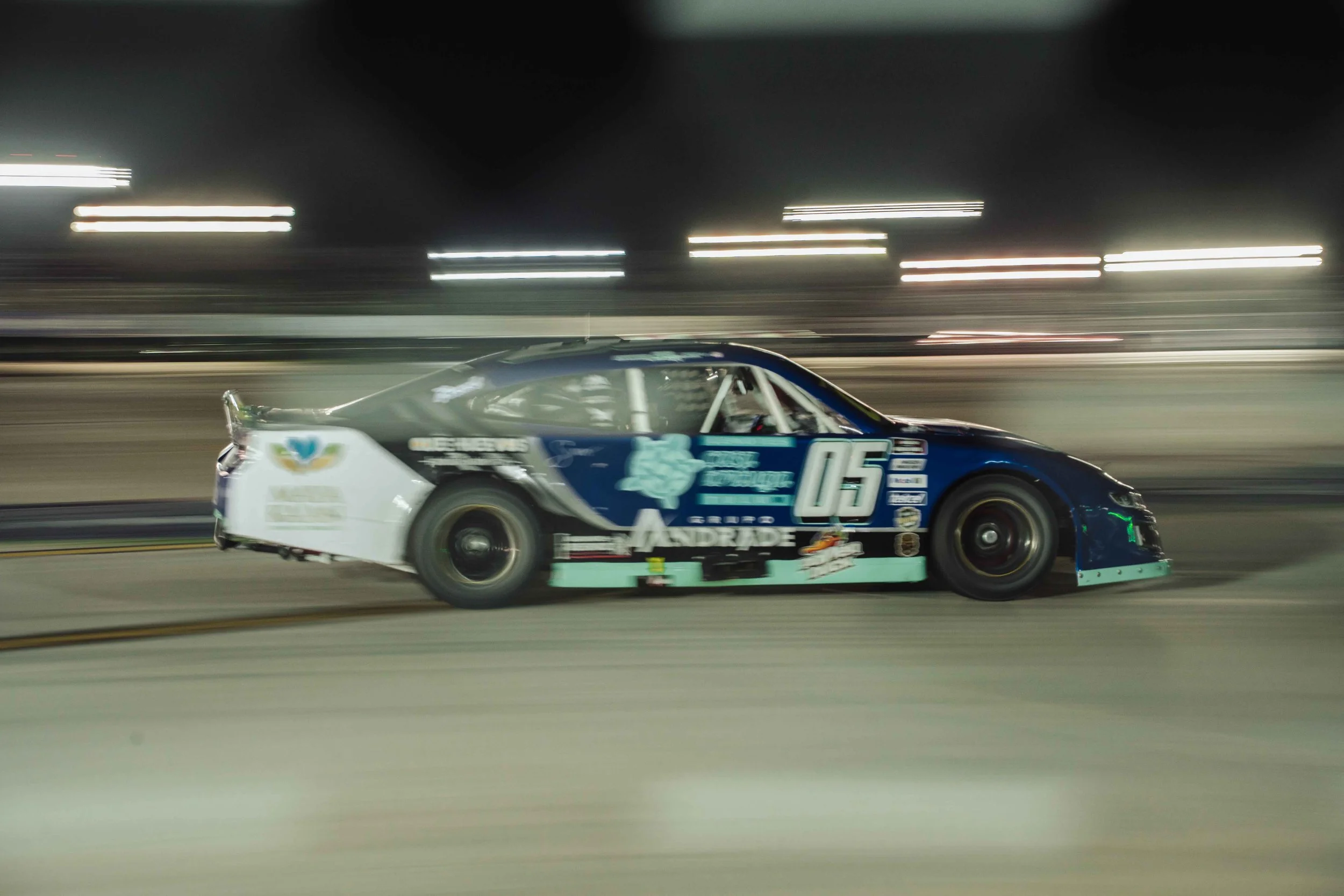
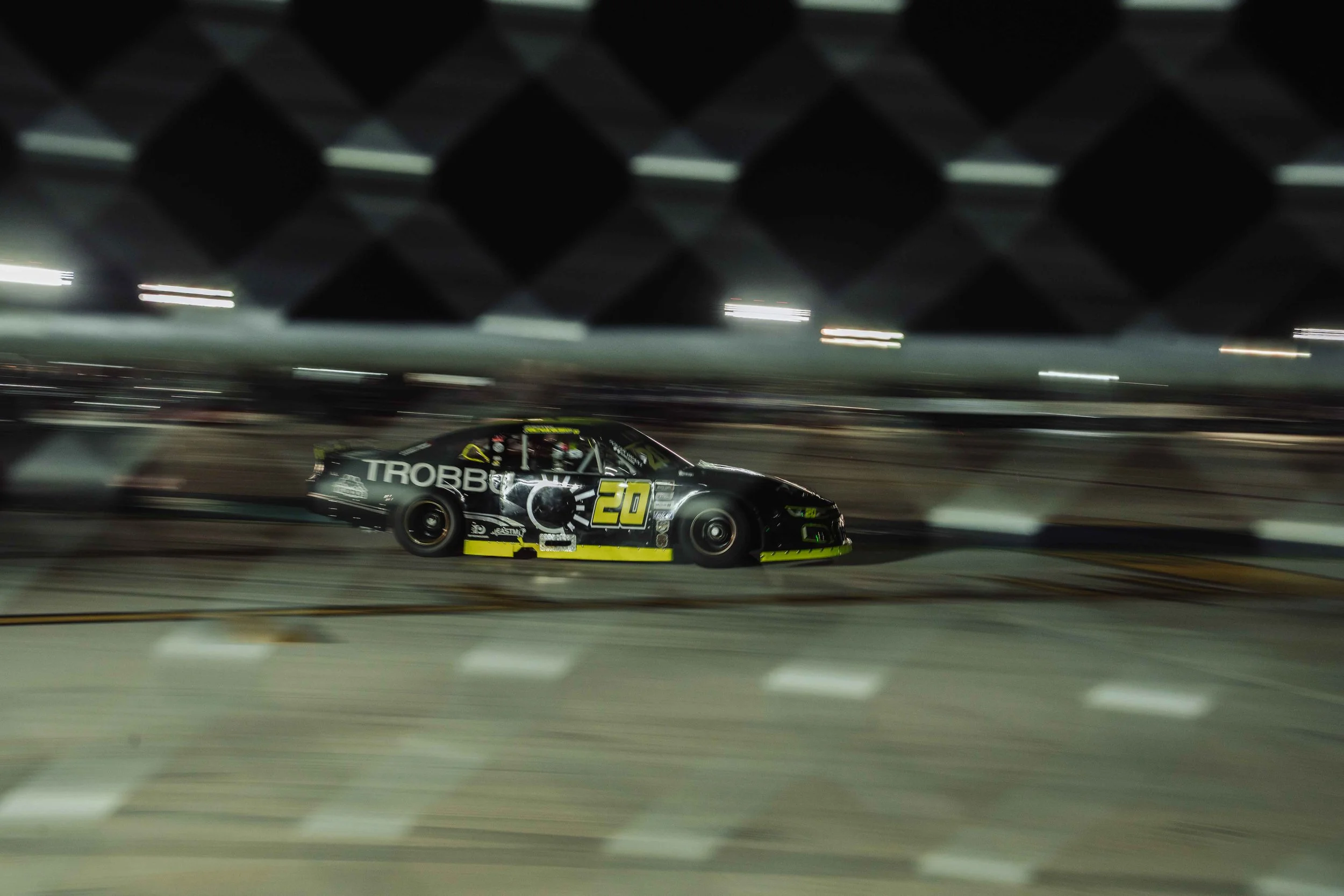
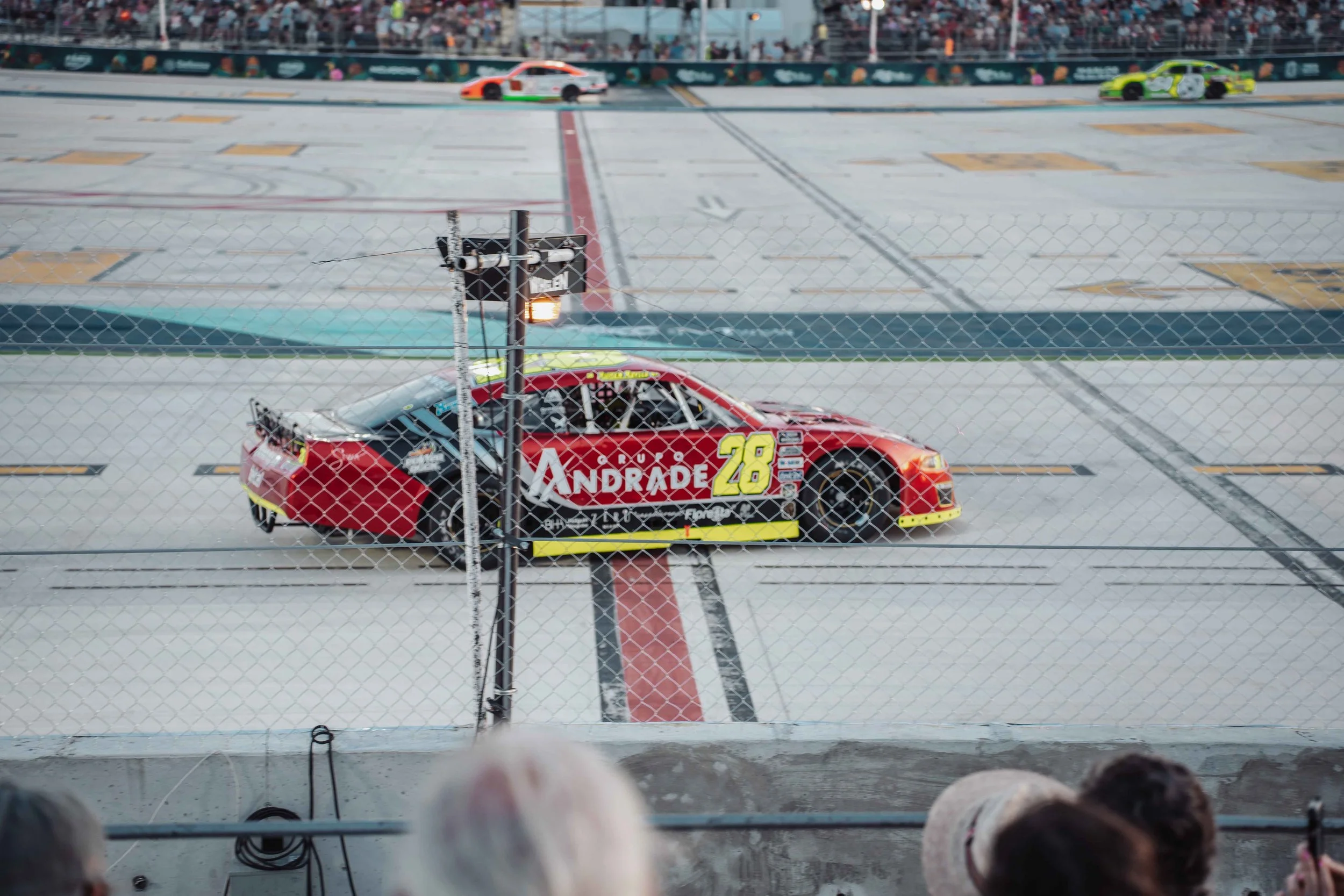
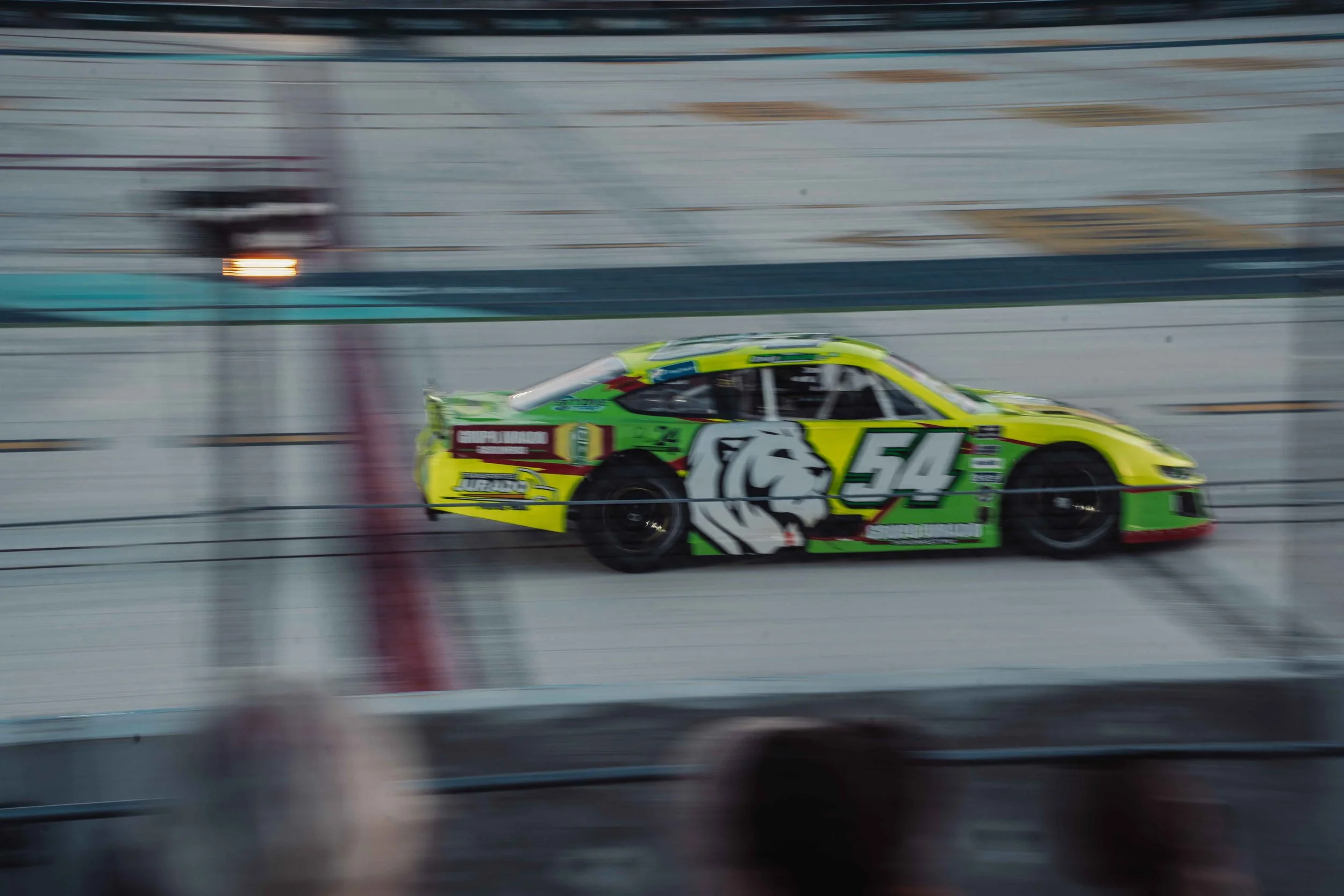
For the pilots, the short-track format demanded "maximum concentration." On a 600-meter circuit, there is no straightaway long enough to catch your breath. Strategy was compressed into fractions of a second, and every turn was a high-speed chess match. The physical demand of the tight corners meant that any lapse in focus wouldn't just cost a driver the podium—it would likely lead them straight into the concrete barriers of a track that refused to forgive.
Dual-Speed Spectacle: When Stock Cars Meet Supersonic Jets
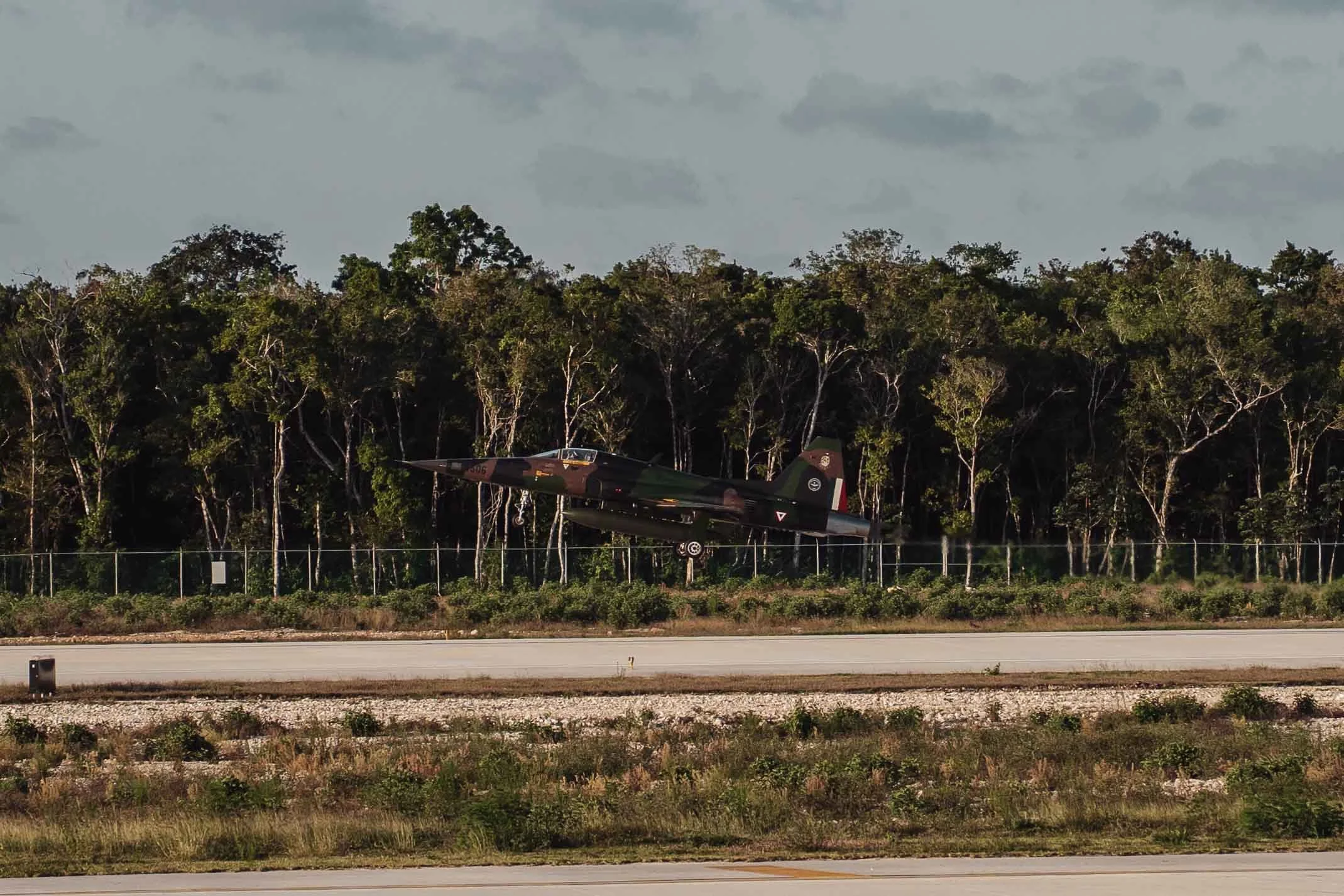
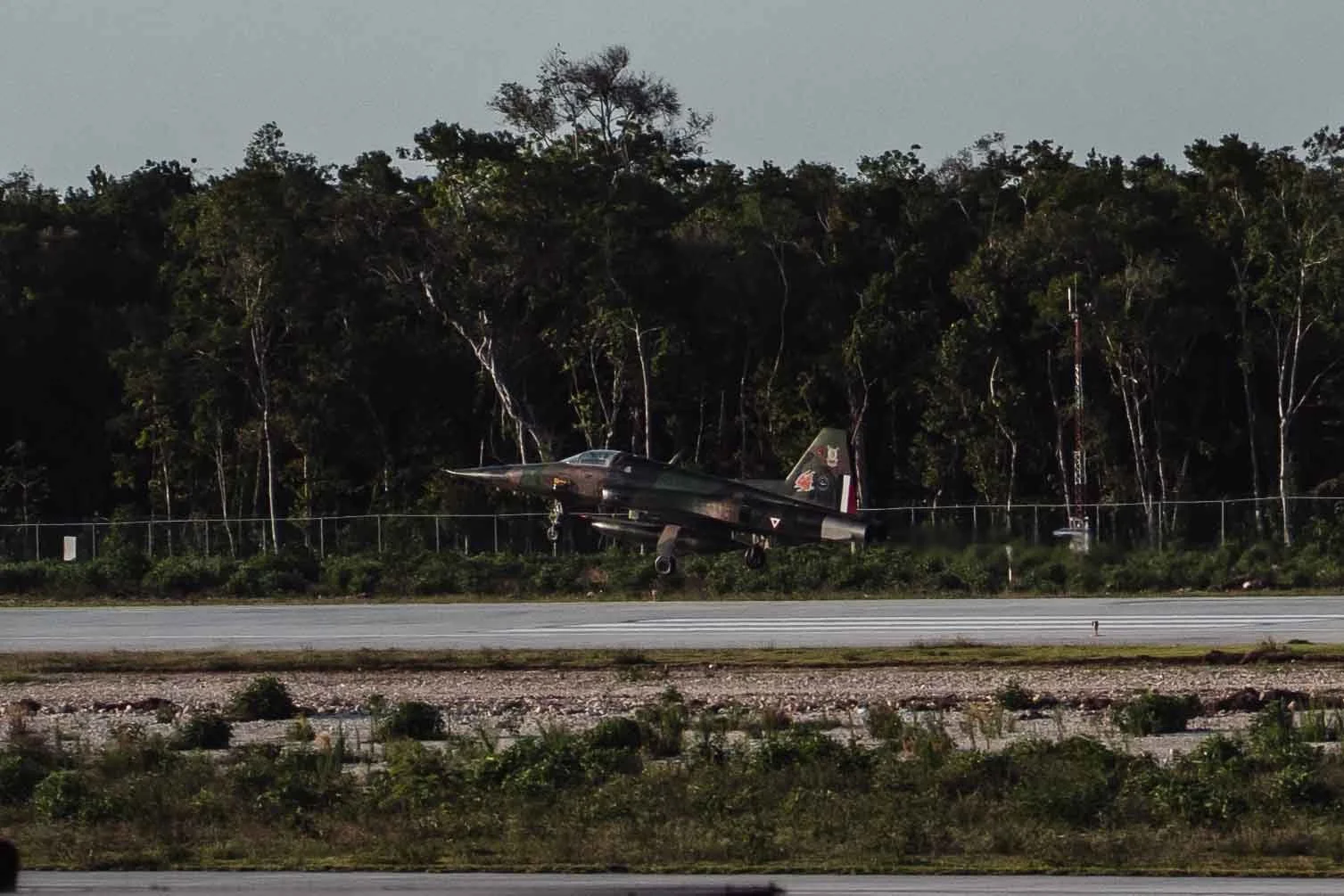
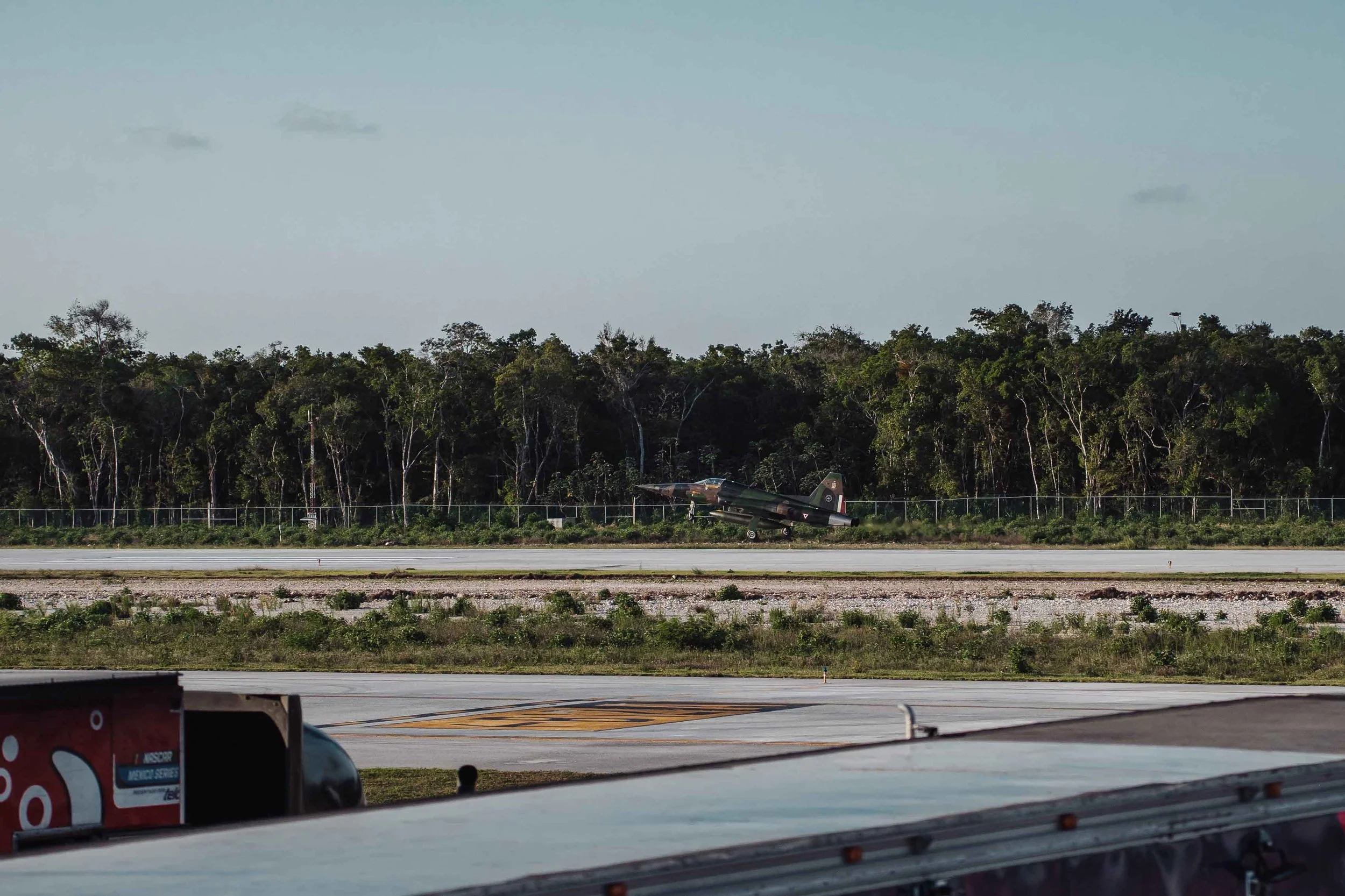
The sensory experience was pushed into overdrive through a massive coordination with the Feria Aeroespacial México (FAMEX). This synergy between the NASCAR Tulum 100 and the Tulum Air Show 2026 meant the horizon was constantly sliced by the precision of the Mexican Air Force (Fuerza Aérea Mexicana). As stock cars traded paint on the ground, F-5 Tiger jets rattled the grandstands with vertical climbs and high-speed passes that seemed to defy physics.
The "Águilas Aztecas" performed tight formations and hair-raising crosses directly above the oval, creating a "dual-speed" environment where the precision of aviation met the raw power of automotive racing.
"The roar of motors on the track and the aerial display marked the close of an atypical weekend in Tulum, where the International Airport became a stage combining professional motor sports and the precision of the Mexican Air Force."
From the tactical maneuvers of UH-60M helicopters to the acrobatic sequences of civilian teams like the Black Wings, the adrenaline never dipped. It was a total-immersion spectacle where the sky didn't just watch the race, it competed for the audience's heartbeat.
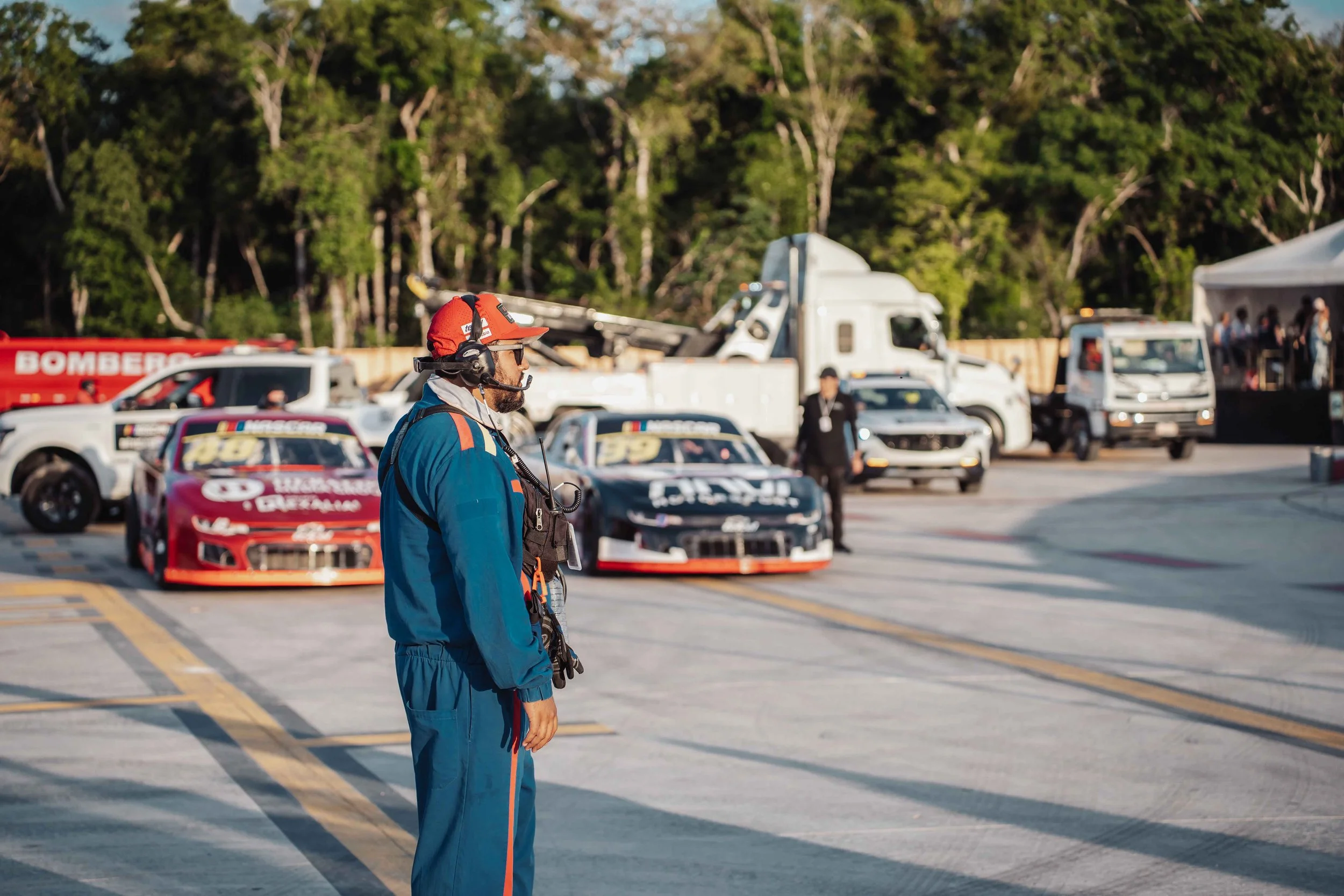
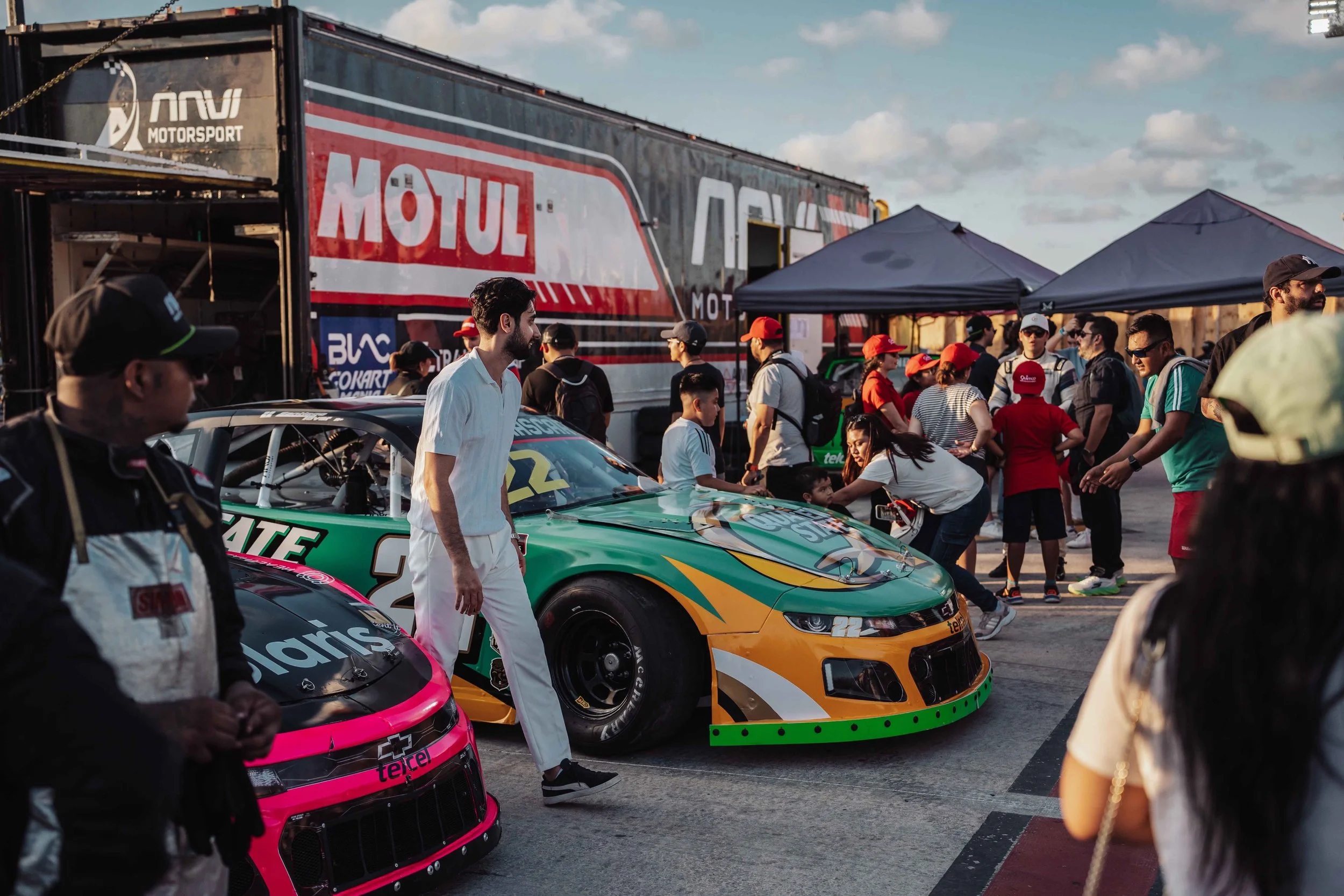

A Historic "Hito": Breaking Barriers in the Caribbean
Beyond the technical marvel of the track, the Tulum 100 served as a vital landmark for representation. The event marked a genuine "hito" (milestone) for the NASCAR México Series with the simultaneous participation of three powerhouse female pilots: Regina Sirvent, Alexandra Mohnhaupt, and Majo Rodríguez.
In the high-visibility environment of an international airport, their presence resonated far beyond the leaderboard. Competing in one of the season's most decisive and physically demanding races, these athletes didn't just take their spots on the grid; they proved that the future of the sport is evolving as rapidly as the cars themselves. The airport setting amplified the importance of this moment, showcasing a modern, inclusive face of Mexican motorsports to a global audience.

Local Heroes and the Desperation of "The Chase"
The narrative tension on the track was fueled by a mix of local pride and championship desperation. Santiago Cruz, the young "Quintanarroense" favorite, shouldered the weight of the home crowd by competing across two fronts: maintaining his status as a favorite in the TRUCK category while simultaneously making his high-pressure debut in the NASCAR Challenge category.
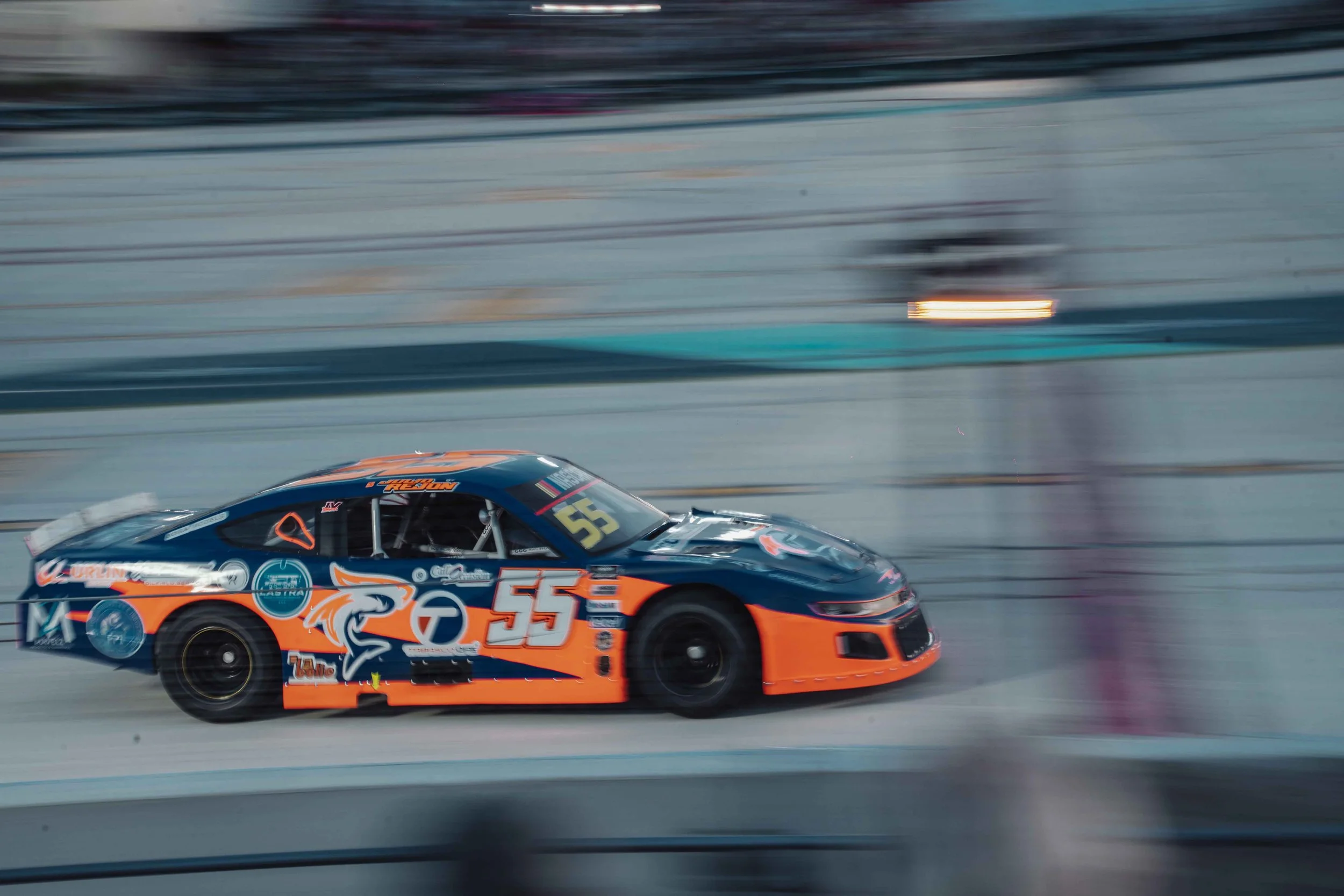
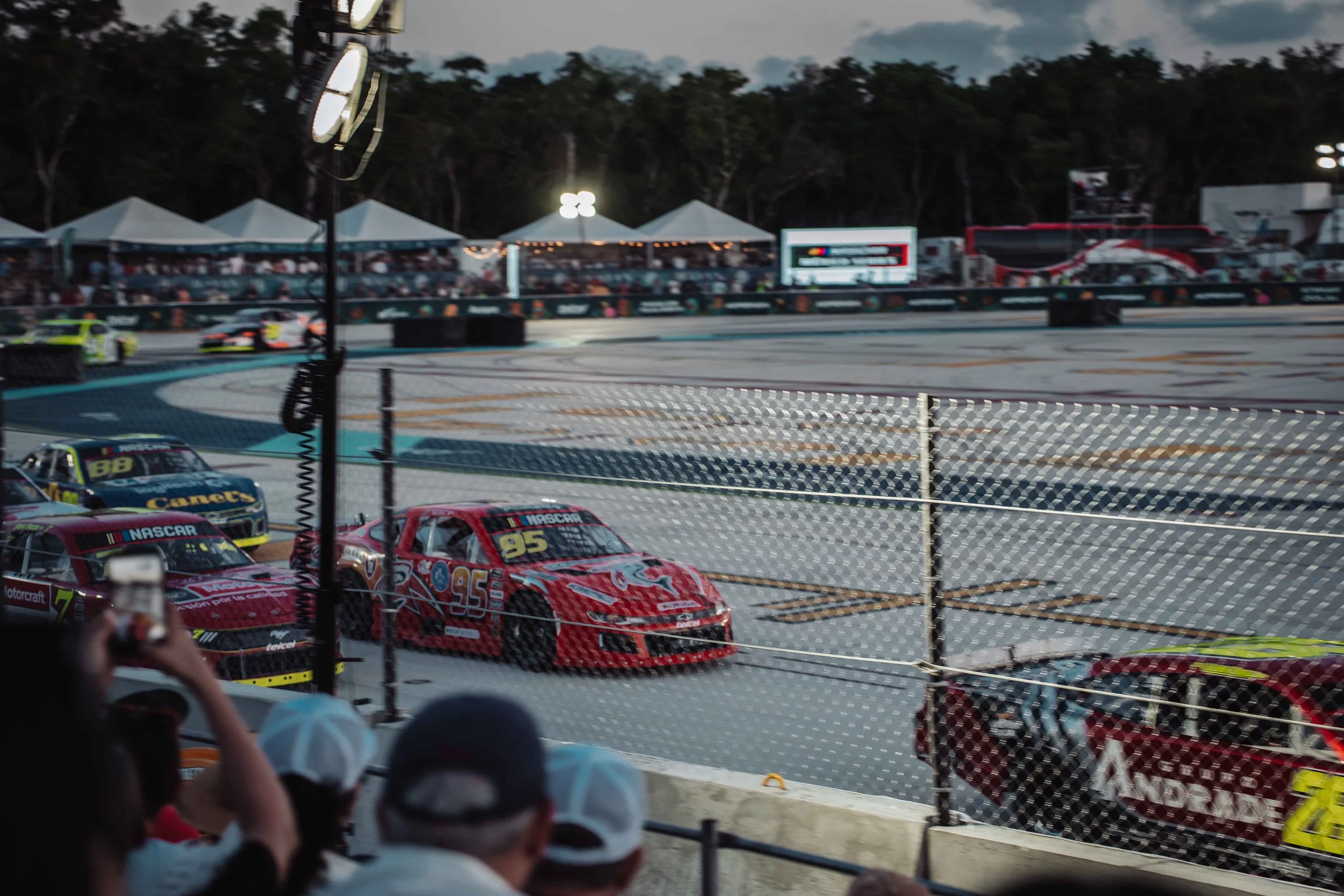
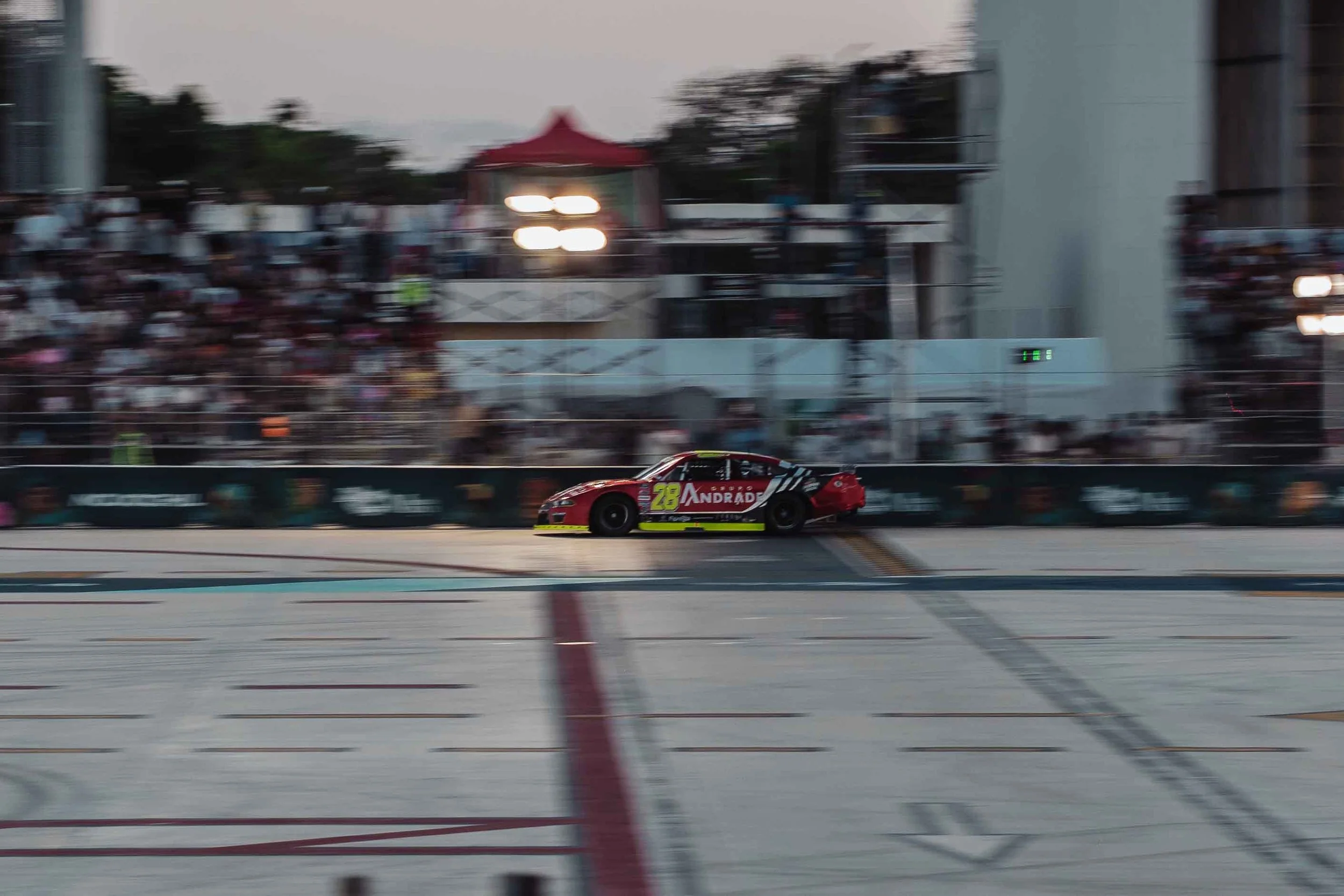
But for the veterans, this was more than a debut—it was a survival test. The Tulum 100 served as the "decisive date," the final race of the regular season that defined the final spots for "The Chase" (the playoffs). The format was a brutal 60-minute sprint, leaving no time for a slow-build strategy. The intensity was palpable during qualifying, where legendary winner Rubén García Jr. snatched the pole position with a blistering 16.618-second lap, edging out rivals like Rubén Rovelo by a mere thousandth of a second. It was sixty minutes of pure, unadulterated desperation to keep championship dreams alive.

The Future of Sport-Tourism: Is the Destination the Track?
As the final checkered flag waved and the F-5 jets disappeared into the sunset, Tulum successfully cemented its place on the global motor sports map. This wasn't just a one-off event; it was a proof of concept. By utilizing functional, high-profile infrastructure like the Felipe Carrillo Puerto International Airport, NASCAR and local organizers created a "wow factor" that traditional circuits simply cannot mirror.
It raises a provocative question for the future of the industry: Are we entering an era where we no longer travel to see the race, but the race travels to the most iconic destinations on earth? If the success in the Mexican Caribbean is any indicator, the next great championship battle might just be waiting at the end of the next available runway.